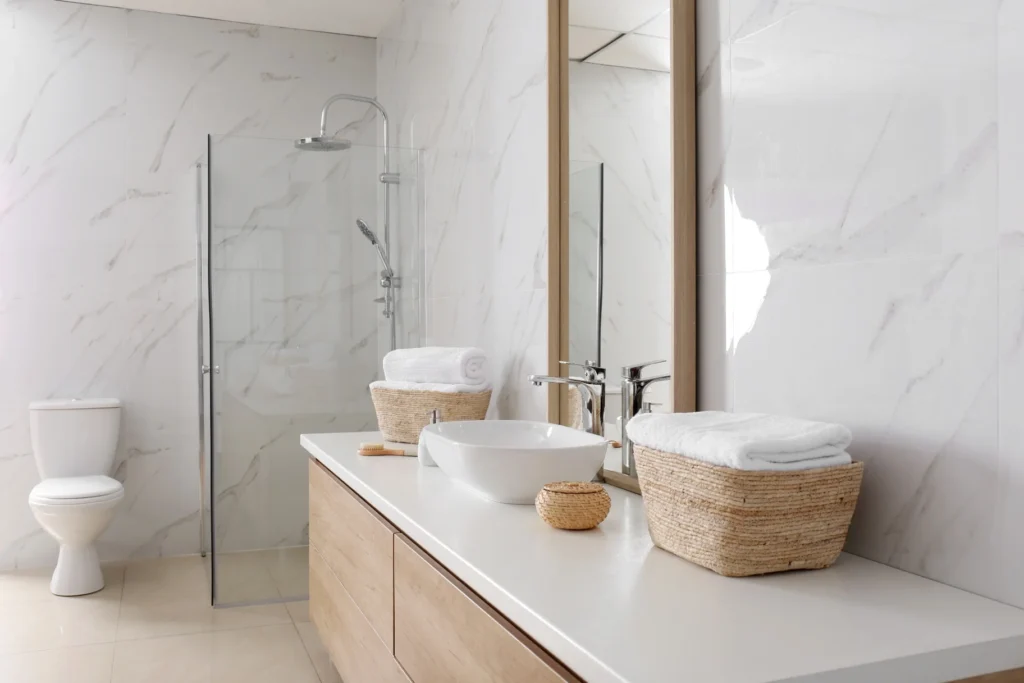
Natural stone brings timeless beauty and luxury to any bathroom, but it also requires the right care to maintain its appearance. Whether your shower features marble, granite, quartzite, or another natural stone, using the wrong cleaning products can permanently damage the surface.
The good news? Keeping your shower looking like new doesn’t require expensive products or hours of scrubbing. With a few simple habits and the right cleaning routine, you can prevent soap scum, water spots, and mineral buildup while protecting your investment for years to come.
At Granite Depot, we fabricate and install custom granite, marble, quartzite, quartz, soapstone, and dolomite surfaces for homeowners throughout East Tennessee. Because we work with natural stone every day, we understand how each material performs and what it takes to keep it looking beautiful long after installation.
What You’ll Need Before Cleaning Your Stone Shower
Before reaching for a bathroom cleaner, take a moment to identify the type of stone in your shower. Different materials have different maintenance requirements, and a cleaner that’s safe for granite may permanently damage marble.
Fortunately, caring for natural stone doesn’t require a cabinet full of specialty products.
For routine maintenance, you’ll need:
- A pH-neutral cleaner formulated specifically for natural stone
- A soft nylon brush
- Warm water
- A microfiber cloth or soft towel
These four simple items are all you need to clean most stone shower surrounds safely while preserving the protective sealant and natural finish.
Cleaning Marble Shower Walls
Marble deserves extra attention because it’s more porous and sensitive than many other natural stones.
Avoid using vinegar, bleach, lemon-based cleaners, or any acidic bathroom spray. Even one application can dull polished marble and leave permanent etch marks that require professional refinishing.
Instead, stick with a stone-safe, pH-balanced cleaner and gentle cleaning tools designed specifically for natural surfaces.
How to Clean Stone Shower Walls Step by Step
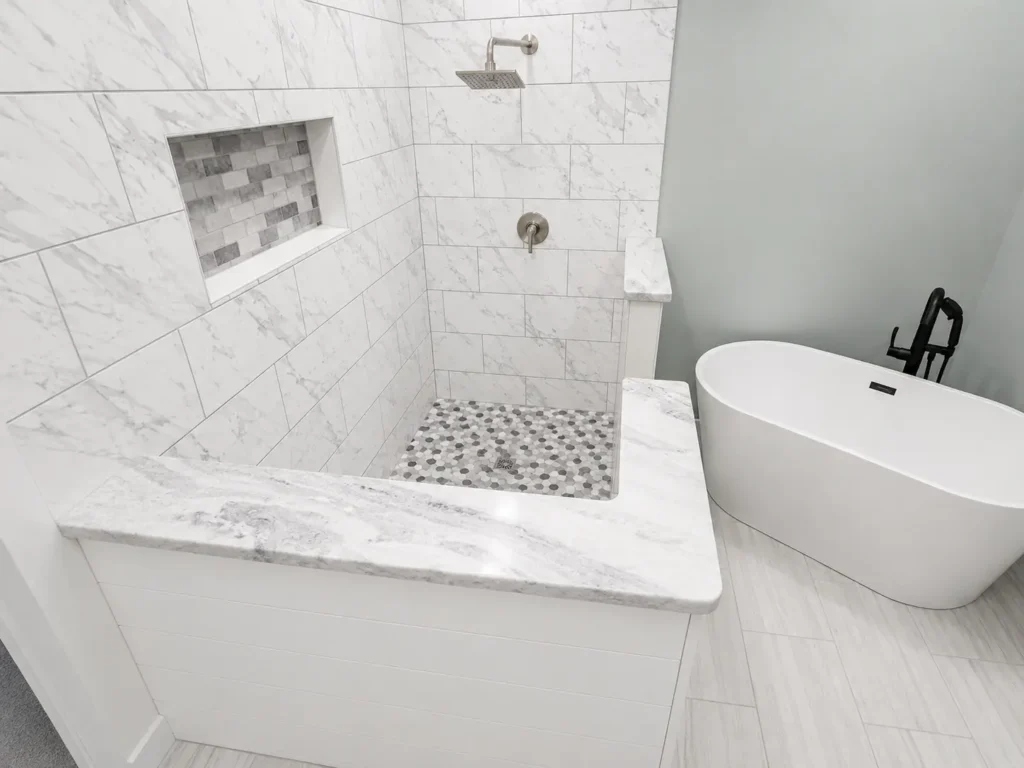
A consistent cleaning routine is far more effective than occasional deep cleaning.
Following these simple steps each week will help prevent soap scum, hard water deposits, and staining before they become difficult to remove.
Step 1: Rinse the Surface
Begin by rinsing the shower walls with warm water.
This loosens soap residue and surface dirt, allowing the cleaner to work more effectively.
Step 2: Apply a Stone Cleaner
Spray or apply a pH-neutral stone cleaner evenly across the walls.
Pay extra attention to:
- Corners
- Grout joints
- Niches
- Areas around fixtures
- Lower wall sections where soap tends to collect
Allow the cleaner to sit briefly according to the manufacturer’s instructions.
Step 3: Gently Agitate the Surface
Using a soft nylon brush, gently scrub the stone with circular motions.
Avoid aggressive scrubbing or abrasive pads that can scratch polished finishes or wear down protective sealers.
Remember—the goal is lifting residue, not grinding it into the surface.
Step 4: Rinse Thoroughly
Remove every trace of cleaner with warm water.
Leaving cleaner behind can attract additional residue and reduce the effectiveness of the protective sealant over time.
Step 5: Dry the Shower
This is the step many homeowners skip.
Use a microfiber cloth or squeegee to remove excess water immediately after rinsing.
Drying the walls helps prevent:
- Hard water spots
- Soap scum buildup
- Mineral deposits
- Mold and mildew growth
Spending an extra minute drying the shower after each use can dramatically reduce future cleaning.
Why Marble Requires Different Care
Although granite, quartzite, and marble are all natural stone, they don’t react the same way to cleaning products.
Marble contains calcium carbonate, making it much more susceptible to acidic damage.
Products that seem harmless—such as vinegar or citrus-based cleaners—can quickly leave dull spots that permanently alter the finish.
Granite is generally more forgiving, but it still benefits from pH-neutral cleaners and routine sealing.
When in doubt, always treat natural stone as a premium material rather than standard ceramic tile.
Cleaning Products You Should Never Use
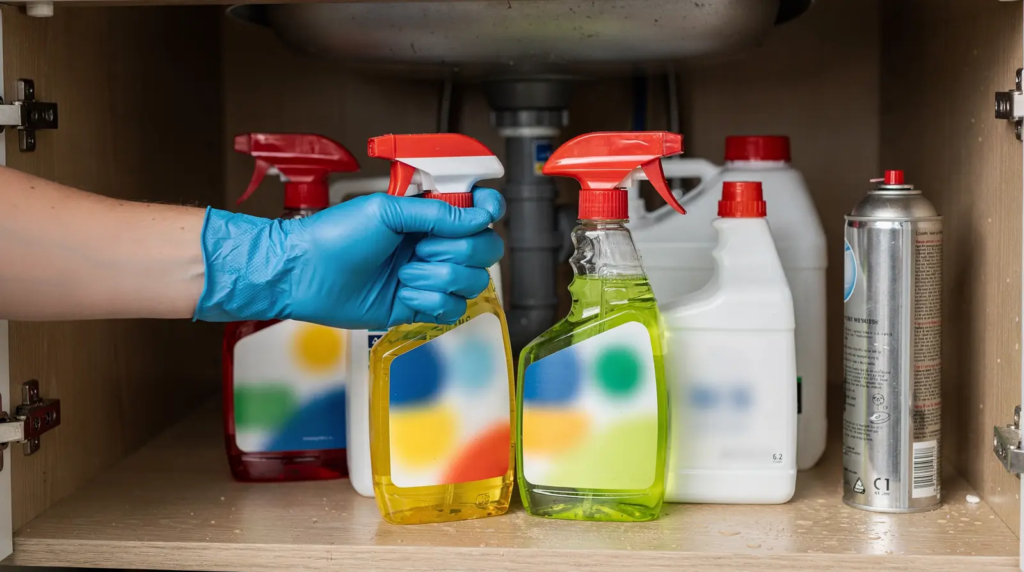
One of the biggest mistakes homeowners make is assuming every bathroom cleaner is safe for natural stone.
Many popular products marketed for removing soap scum or hard water stains contain harsh chemicals that gradually break down sealers and permanently damage stone.
Avoid using:
- Vinegar
- Bleach
- Ammonia
- Citrus-based cleaners
- Abrasive powders
- Steel wool
- Scouring pads
- Acidic lime-scale removers
While these products may work well on porcelain or ceramic tile, they should never be used on marble, travertine, limestone, or other natural stone surfaces.
Replacing a damaged stone surface is significantly more expensive than using the correct cleaner from the beginning.
Long-Term Shower Wall Care
Routine maintenance goes beyond weekly cleaning.
Natural stone stays beautiful longest when homeowners adopt a few simple daily habits.
These include:
- Squeegee walls after every shower
- Wipe surfaces dry with a microfiber cloth
- Run the bathroom exhaust fan for at least 20 minutes after showering
- Clean soap residue before it hardens
- Inspect sealant annually
These small habits dramatically reduce mineral buildup while helping preserve the stone’s natural finish.
How Often Should Natural Stone Be Sealed?
The answer depends on the material and how frequently the shower is used.
Many homeowners benefit from resealing approximately once a year, although high-use showers or softer stones like marble may require more frequent maintenance.
An easy test is to sprinkle a few drops of water onto the surface.
If the water beads up, the seal is still working.
If the water quickly darkens the stone by soaking in, it’s time to reseal.
If you’re unsure which sealer your shower needs, a professional stone fabricator can help identify the correct product for your specific material.
Common Mistakes That Shorten the Life of Stone Showers
Natural stone is incredibly durable—but improper maintenance can shorten its lifespan.
Some of the most common mistakes include:
- Using standard bathroom cleaners
- Guessing the stone type
- Skipping routine sealing
- Scrubbing with abrasive brushes
- Allowing hard water deposits to build up
- Leaving standing water on the walls after every shower
- Attempting DIY polishing or restoration after etching
Many of these issues are preventable with a simple maintenance routine and products designed specifically for natural stone.
If you’ve recently installed new bathroom countertops, custom shower surrounds, or other natural stone surfaces, following proper care guidelines will help protect your investment for years to come.
Need Help Caring for Your Natural Stone?
Whether you’re planning a bathroom remodel or already have natural stone installed, proper maintenance helps preserve its beauty, durability, and value.
If you have questions about your specific stone type or are considering upgrading your bathroom with custom shower surrounds, bathroom vanities, countertops, or other natural stone features, the Granite Depot team is here to help. Visit one of our East Tennessee showrooms or contact us to learn more about selecting materials that combine lasting performance with timeless style.
Frequently Asked Questions
Can I use vinegar to clean a stone shower?
No. Vinegar is acidic and can permanently etch marble, travertine, limestone, and other natural stones. Always use a pH-neutral cleaner designed specifically for natural stone.
What’s the best cleaner for marble shower walls?
A pH-neutral stone cleaner is the safest choice. Avoid bleach, ammonia, citrus-based products, and abrasive cleaners that can damage the polished finish.
How often should I clean my stone shower?
A quick rinse and squeegee after every shower helps prevent buildup. A more thorough cleaning with a stone-safe cleaner once a week is usually enough for most households.
How often should natural stone be sealed?
Most natural stone showers benefit from resealing approximately once a year, although frequency depends on the type of stone and how heavily the shower is used.
Can hard water damage natural stone?
Hard water doesn’t usually damage the stone itself, but mineral deposits can dull its appearance over time. Drying the walls after each shower helps prevent buildup.
Should I use abrasive scrub pads on granite or marble?
No. Abrasive pads can scratch polished stone and wear away protective sealers. Use a soft nylon brush or microfiber cloth instead.
Conclusion and Final Thoughts
Natural stone showers are designed to last for decades, but their longevity depends on proper care. By using pH-neutral cleaners, avoiding harsh chemicals, wiping surfaces dry after each use, and maintaining a regular sealing schedule, you can preserve both the beauty and performance of your shower for years to come.
At Granite Depot, we don’t just fabricate exceptional natural stone—we help homeowners protect their investment long after installation. Whether you’re planning a new bathroom, upgrading your shower, or looking for expert guidance on caring for existing stone surfaces, our experienced team is ready to help you choose the right materials and keep them looking their best.