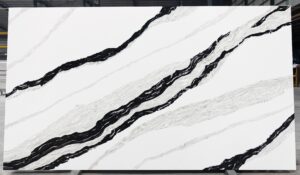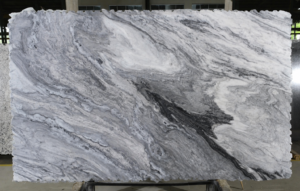

Granite countertops are highly heat-resistant and can generally tolerate brief contact with hot cookware. However, putting hot pans directly on granite should not become a regular habit. The granite itself is unlikely to scorch from normal cooking temperatures, but repeated or extreme heat exposure can affect the sealer, finishes, seams, or surrounding materials. Using a trivet or heat pad remains the safest way to protect the countertop over time.

Can You Put Hot Pans on Granite Safely?
Can you put hot pans on granite? In most cases, briefly placing a hot pan on a granite countertop will not damage the stone itself. Granite is a dense natural stone formed under intense geological heat, which gives it excellent resistance to everyday kitchen temperatures.
That does not mean granite is completely immune to heat-related damage. A finished countertop is more than just a slab of stone. It also includes sealant, seams, edges, and other surrounding materials that may be less resistant to repeated direct heat.
For that reason, homeowners should treat granite as heat-resistant rather than heat-proof.
Does Setting a Hot Pan on Granite Cause Cracking?
An occasional hot pan is unlikely to crack a properly installed granite countertop. The greater concern is thermal shock, which occurs when a material experiences a rapid and significant temperature change.
For example, repeatedly exposing the same small area to extreme heat and then rapidly cooling it can place additional stress on the stone. Existing weaknesses, natural fissures, seams, or damaged areas may be more vulnerable.
Homeowners can reduce unnecessary thermal stress by:
- Using a trivet under hot cookware
- Avoiding extreme hot-to-cold temperature changes
- Not placing extremely hot cookware directly over seams or damaged areas
- Allowing cookware to cool slightly before moving it onto the countertop
Can a Hot Pan Damage the Granite Surface?
Normal cooking temperatures generally do not scorch granite itself. However, direct heat can still affect the sealed surface, especially when exposure is frequent or prolonged.
The safest approach is simple: if a heat-resistant barrier is available, use it.

What Makes Granite So Heat Resistant?
Granite is an igneous rock formed when molten material cools and crystallizes beneath the Earth’s surface. Its formation under intense geological conditions contributes to its natural durability and resistance to everyday kitchen heat.
This is one reason granite performs well in kitchens where countertops regularly encounter warm cookware, hot food, and changing temperatures.
Does Granite Have a High Melting Point?
Granite can withstand temperatures far beyond those normally encountered during household cooking. However, quoting a single melting point for granite can be misleading because granite is composed of several different minerals, each with its own thermal properties.
The practical takeaway for homeowners is more useful:
Normal cooking temperatures are not generally enough to melt or scorch granite.
The concern with hot cookware is therefore not that a frying pan will melt the countertop. Instead, the focus should be on repeated thermal stress, the condition of the sealant, seams, and surrounding materials.
Why Is Granite More Heat Resistant Than Some Countertop Materials?
Granite’s natural mineral structure gives it excellent resistance to heat compared with many common countertop materials.
However, heat resistance varies among countertop materials and individual products. Engineered surfaces, laminate, wood, and other materials can have different manufacturer-specific limitations.
When choosing a countertop, homeowners should always follow the care instructions provided for the specific materials.
Does Heat Damage Granite Sealer?
The granite sealer deserves more attention than the stone itself.
Sealer is applied to granite to reduce the penetration of liquids and stains into the stone’s pores. Although a properly applied sealer can tolerate normal kitchen conditions, repeated direct exposure to very high heat may contribute to deterioration over time.
This is especially relevant when homeowners regularly place cookware directly on the same section of countertop.
Can a Hot Pan Burn Granite Sealer?
A brief contact with a hot pan does not necessarily mean the sealer has been damaged. However, prolonged exposure to very high temperatures is unnecessary and can potentially affect the finish depending on the type and condition of the sealer.
Signs that the surface may need attention include:
- Changes in the appearance of the finish
- Areas that appear unusually dull
- Increased staining or absorption
- Water no longer beading on the surface as it previously did
If you notice these changes, consult the countertop manufacturer, fabricator, or a stone-care professional before applying a new product.
How Often Should Granite Be Resealed?
There is no universal resealing schedule for every granite countertop. The appropriate frequency depends on the stone, the sealer used, the amount of use, and the manufacturer’s recommendations.
Instead of relying solely on a fixed calendar schedule, homeowners should monitor the countertop’s performance and follow the care instructions provided for their particular surface.
What Is Thermal Shock and Can It Crack Granite?
Thermal shock granite countertops experience when a rapid temperature change creates stress within the stone.
Granite is durable, but natural stone is not completely immune to thermal stress. Existing cracks, fissures, weak points, or improperly supported sections can increase vulnerability.
A common mistake is assuming that because granite tolerates high temperatures, any temperature change is harmless.
What Should You Avoid?
Homeowners should avoid deliberately creating extreme temperature changes on the countertop.
For example, placing extremely hot cookware directly on the stone and immediately exposing the same area to very cold water is unnecessary. While one incident may not cause visible damage, avoiding repeated extremes is a sensible part of countertop care.
Why Should You Use Trivets on Granite?
Trivets for granite countertops provide a simple layer of protection between hot cookware and the countertop.
A trivet does more than protect the granite itself. It also reduces direct heat exposure to the sealer and creates a physical barrier that prevents cookware from contacting the surface.
The habit takes only a few seconds and eliminates much of the unnecessary risk associated with direct contact.
What Should You Put Under a Hot Pan?
Use a heat-resistant trivet, hot pad, or protective mat designed for high-temperature cookware.
Avoid using materials that can melt, transfer heat excessively, or leave residue on the countertop.
A good kitchen setup keeps trivets near the stove so they are available whenever a pan or baking dish comes out of the oven.
What Other Habits Protect Granite Countertops?
Heat is only one part of granite countertop care. Everyday maintenance also helps preserve the stone’s appearance and the performance of its protective seal.
Homeowners should:
- Use trivets for hot cookware rather than making direct contact a routine.
- Clean spills promptly, particularly oils and strongly colored liquids.
- Use appropriate granite-safe cleaning products according to the countertop manufacturer’s recommendations.
- Avoid dragging heavy cookware across the surface.
- Monitor the sealer for changes in water resistance or appearance.
- Follow the fabricator’s maintenance instructions for cleaning and resealing.
These simple habits help maintain both the appearance and functionality of the countertop.
Can You Put Hot Pans on Granite? The Bottom Line
So, can you put hot pans on granite? Yes, a brief contact with a hot pan will generally not damage the granite itself. The stone’s natural heat resistance makes it well suited to everyday kitchen use.
However, that does not make direct contact the best practice. The countertop’s sealer, seams, edges, and surrounding materials may be more vulnerable than the granite slab itself. Repeated exposure to extreme heat and rapid temperature changes can create unnecessary risks over time.
The simplest solution is to use a trivet or heat pad every time you remove a hot pan from the stove or oven. It costs almost nothing, takes seconds to use, and provides an additional layer of protection for the entire countertop system.
Granite is durable, but proper care allows homeowners to preserve that durability for years. Treating the surface as heat-resistant rather than indestructible is the best approach: enjoy the strength and beauty of granite while using simple protective habits to keep the countertop looking its best. Noticed discoloration, a dull spot, or a worn seal near your cooktop? Contact Countertops Expert Today!
Frequently Asked Questions
Can you put hot pans directly on granite?
Briefly, yes. Granite is highly heat-resistant and normal cooking temperatures generally will not scorch the stone. However, using a trivet is recommended to reduce unnecessary heat exposure to the sealer and surrounding materials.
Does heat damage granite sealer?
Repeated or prolonged exposure to very high temperatures may contribute to sealer deterioration over time. A brief contact with a hot pan does not necessarily damage the sealer.
Can thermal shock crack a granite countertop?
Rapid and extreme temperature changes can create thermal stress. Existing cracks, fissures, seams, or unsupported areas may increase the risk of damage.
What should you use under hot pans on granite?
A heat-resistant trivet, hot pad, or protective mat is the simplest option. Keeping one next to the stove makes it easy to protect the countertop whenever cookware comes off the burner or out of the oven.
Is granite completely heat-proof?
No. Granite is highly heat-resistant, but it should not be considered completely heat-proof. The stone, sealer, seams, and surrounding materials can have different levels of heat resistance.
How can you protect granite countertops from everyday damage?
Use trivets for hot cookware, clean spills promptly, avoid dragging heavy objects across the surface, use appropriate cleaning products, and follow the fabricator’s recommendations for sealing and maintenance.