Granite has remained one of the most popular countertop materials for decades, yet it’s still surrounded by outdated advice and common misconceptions. Some homeowners worry that granite stains easily, requires constant maintenance, or may even be unsafe in the kitchen. Others assume quartz has completely replaced granite as the better choice.
The reality is very different.
Granite is one of the hardest natural stones available for residential use, ranking 6–7 on the Mohs hardness scale. When professionally fabricated, properly sealed, and correctly installed, it offers exceptional durability, excellent heat resistance, and reliable long-term performance in busy kitchens and bathrooms.
Understanding the facts before choosing a countertop helps you invest confidently in a surface that matches your lifestyle, design goals, and budget.
Why Do Granite Countertop Myths Still Exist?
Many granite myths originated years ago, when sealing products, fabrication methods, and installation standards were very different from today’s practices. Unfortunately, outdated information continues circulating online, making it difficult for homeowners to separate fact from fiction.
Choosing a countertop is a long-term investment. Rather than relying on secondhand opinions, it’s worth understanding how modern granite actually performs in everyday homes.
The most common misconceptions usually involve:
- Staining and maintenance
- Food safety and hygiene
- Durability
- Cost
- Design trends
- Long-term value
Let’s look at what homeowners really need to know.
Is Granite Safe for Kitchens?
One of the most frequently asked questions during a kitchen remodel is simple:
Is granite safe?
Yes.
Granite has been used in residential kitchens across North America for decades because it provides a durable, stable, and dependable work surface. As an igneous rock formed naturally under intense heat and pressure, granite is exceptionally dense and designed by nature to withstand demanding conditions.
For everyday kitchen use, that translates into a countertop capable of handling:
- Food preparation
- Hot cookware
- Heavy appliances
- Frequent cleaning
- Daily family use
When fabricated and installed professionally, granite remains one of the most trusted countertop materials available.
Homeowners comparing natural stone with other countertop materials often discover that granite continues to deliver an excellent balance of beauty, strength, and longevity.
(Internal link opportunity: Granite Countertop Installation Process / Natural Stone Countertops.)
Does Granite Release Harmful Materials?
This concern appears frequently online, but granite has a long history of safe residential use.
Millions of homes across the United States feature granite countertops in kitchens, bathrooms, laundry rooms, and outdoor spaces. Its popularity isn’t based on trends alone—it comes from decades of reliable performance.
Rather than worrying about myths, homeowners should focus on choosing quality stone and working with experienced fabricators who source premium slabs and fabricate them to professional standards.
Does Granite Harbor Bacteria?
Another common misconception is that natural stone isn’t hygienic.
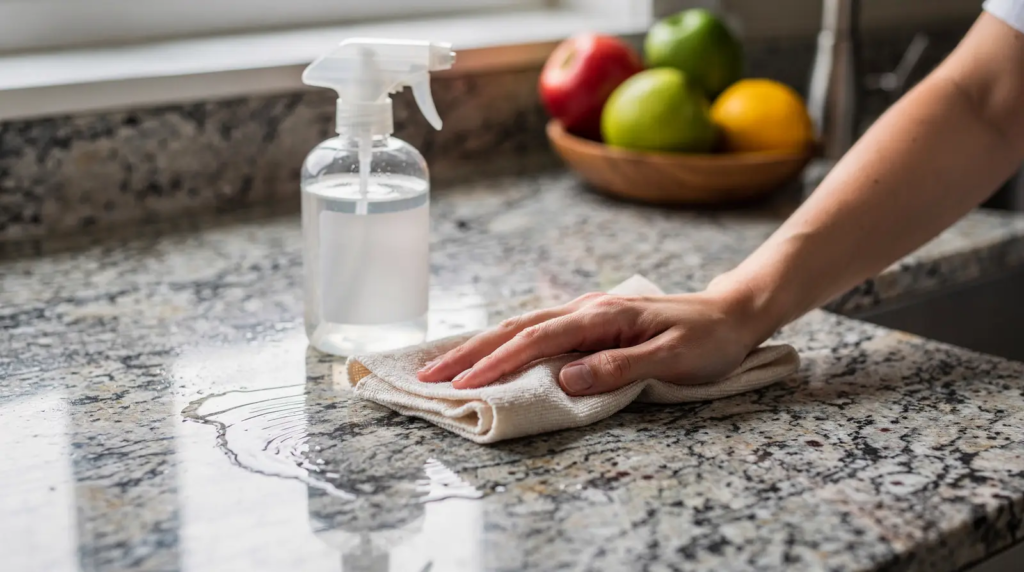
In reality, properly sealed granite creates a surface that resists moisture penetration and is easy to clean using routine household products.
Like any countertop material, good hygiene comes from regular cleaning—not from the material itself.
For busy households preparing meals every day, granite remains a practical and dependable surface that combines durability with easy maintenance.
Does Granite Stain Easily?
One spill shouldn’t ruin a countertop.
This myth likely comes from older installations that weren’t properly sealed or maintained.
Today’s professionally sealed granite is highly resistant to everyday kitchen spills, including:
- Coffee
- Juice
- Cooking oils
- Wine
- Water
- Most common household foods
Cleaning spills promptly is always recommended, but homeowners don’t need to panic every time something lands on the countertop.
Professional fabrication and sealing significantly reduce the likelihood of permanent staining.
(Internal link opportunity: Granite Countertop Care Guide / How to Clean Granite Countertops.)
Does Granite Require Constant Sealing?
Not at all.
One of the biggest misconceptions is that granite must be resealed every year regardless of the stone.
The truth is much more practical.
Different granite varieties have different levels of natural porosity. Dense granites often retain their protective seal for years, while more porous varieties may require resealing sooner.
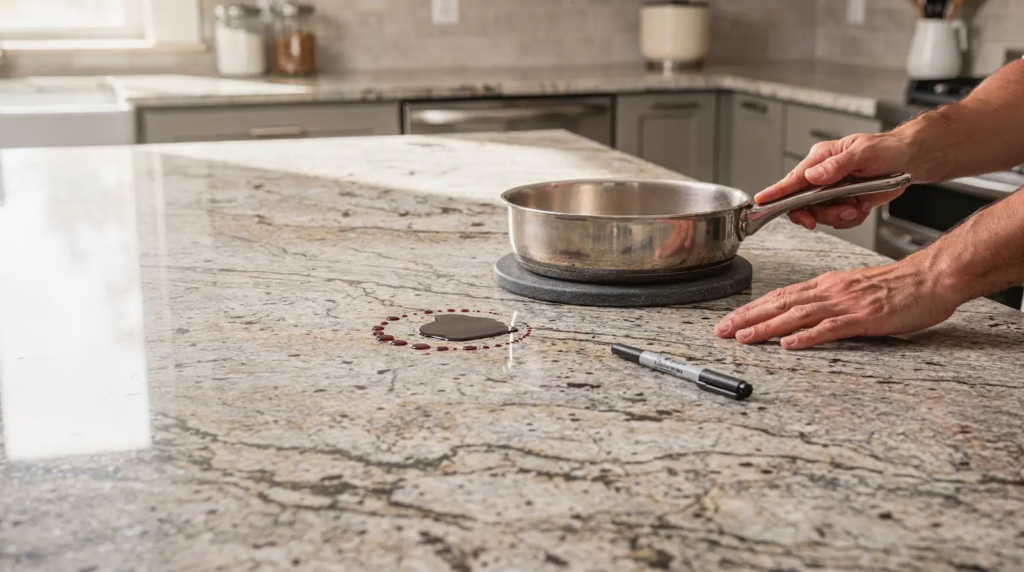
Instead of following a fixed schedule, professionals recommend performing a simple water test.
If water beads on the surface, the seal is still performing well.
If moisture begins absorbing into the stone, it’s time to reseal.
This straightforward approach removes unnecessary maintenance while keeping the countertop protected.
Does Granite Crack Easily?
Granite is one of the strongest countertop materials available.
Normal household activities—placing groceries on the counter, preparing meals, using small appliances, or setting down cookware—rarely cause damage.
When cracks do occur, they’re usually associated with:
- Improper installation
- Poor cabinet support
- Extreme impact
- Transportation damage before installation
A professionally measured, fabricated, and installed countertop is designed to provide decades of dependable performance.
That’s one reason homeowners continue choosing granite for high-use kitchens where durability matters as much as appearance.
Is Granite Still in Style?
Some homeowners believe granite disappeared when quartz became popular.
That simply isn’t true.
Modern granite looks very different from the heavily patterned surfaces that became popular years ago.
Today’s collections include:
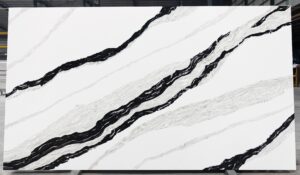
- Clean whites
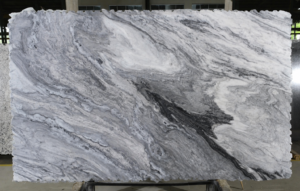
- Soft grays
- Elegant blacks
- Warm earth tones
- Leathered finishes
- Honed finishes
- Contemporary movement
- Minimal veining
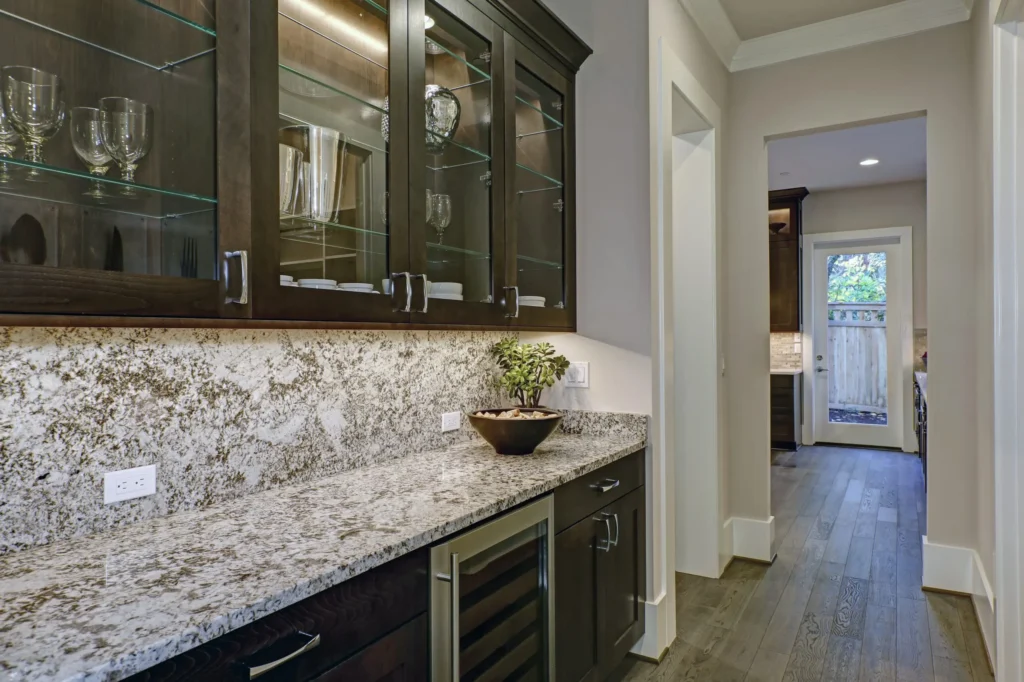
These options complement virtually every kitchen style, from traditional homes to sleek modern designs.
Because every slab is unique, granite also offers something engineered materials cannot fully replicate: natural variation created over millions of years.
For homeowners looking to create a kitchen with character and long-lasting appeal, granite continues to be an outstanding choice.
Has Quartz Replaced Granite?
Quartz has become increasingly popular, but that doesn’t mean granite is outdated or inferior. The two materials simply offer different advantages, and the best choice depends on your priorities.
Granite appeals to homeowners who appreciate the authenticity of natural stone. Every slab is unique, with distinctive mineral patterns and color variations that cannot be perfectly replicated by engineered materials. Quartz, on the other hand, offers greater consistency in appearance and requires virtually no sealing.
Rather than asking which material is “better,” it’s more helpful to compare how each fits your lifestyle, cooking habits, maintenance preferences, and design vision.
For homeowners who value natural beauty, excellent heat resistance, and long-term durability, granite continues to be one of the strongest countertop investments available.
(Internal link opportunity: Granite vs. Quartz Countertops / Best Countertop Materials for Your Kitchen.)
Does Granite Increase Home Value?
Quality countertops remain one of the most desirable features in an updated kitchen, and granite continues to be recognized as a premium material.
While no renovation guarantees a specific return on investment, granite offers several long-term advantages that appeal to both current homeowners and future buyers:
- Exceptional durability for everyday use
- Timeless appearance that complements many design styles
- Natural uniqueness—no two slabs are identical
- Long service life with proper care
- Strong visual impact in kitchens and bathrooms
Because countertops are among the first features buyers notice, selecting a durable natural stone can contribute to a kitchen that feels more refined and well-maintained.
Is Granite Worth the Cost?
Granite generally costs more upfront than some laminate or entry-level countertop options, but focusing only on the initial price doesn’t tell the whole story.
A countertop is one of the hardest-working surfaces in any home. It experiences daily food preparation, spills, heavy appliances, heat, and constant cleaning. Choosing a material designed to perform under those conditions can reduce the likelihood of premature replacement.
When evaluating overall value, homeowners should consider:
- Initial material and installation costs
- Expected lifespan
- Maintenance requirements
- Resistance to scratches and heat
- Long-term appearance
- Potential resale appeal
Viewed over many years of use, granite often delivers excellent value because of its durability and longevity.
Why Working With Experienced Fabricators Matters
Even the highest-quality slab performs best when it’s professionally measured, fabricated, and installed.
Experienced fabricators help homeowners by:
- Measuring the space accurately
- Recommending suitable slab options
- Planning seam placement
- Creating precise sink and cooktop cutouts
- Applying professional sealing when appropriate
- Ensuring proper installation and support
These details influence both the appearance and long-term performance of the finished countertop.
Choosing an experienced local fabricator also provides access to expert guidance throughout the project, from material selection to final installation.
(Internal link opportunity: Custom Countertop Fabrication / Countertop Installation Services / Kitchen Remodeling.)
Thinking about upgrading your kitchen or bathroom? Our team can help you compare granite, quartz, and other countertop materials, answer your questions, and recommend options that fit your style, budget, and daily routine. Whether you’re replacing existing countertops or planning a full remodel, we’re here to make the process straightforward from consultation to installation.
Frequently Asked Questions
Is granite safe for food preparation?
Yes. Granite has been used in residential kitchens for decades. When properly fabricated, sealed, and maintained, it provides a durable and reliable surface for everyday food preparation.
Does granite stain easily?
No. Properly sealed granite resists most common household spills, including coffee, juice, cooking oils, and wine. Cleaning spills promptly helps maintain the countertop’s appearance.
How often does granite need to be sealed?
There is no universal schedule. Some granite varieties remain protected for several years, while others benefit from more frequent sealing depending on their natural porosity. A simple water-bead test is the easiest way to determine when resealing is needed.
Is granite stronger than quartz?
Both materials are highly durable, but they perform differently. Granite offers outstanding natural heat resistance and unique patterns, while quartz provides a consistent appearance with minimal maintenance. The right choice depends on your priorities.
Does granite crack easily?
No. Properly installed granite is extremely durable. Cracks are uncommon and are usually caused by improper installation, insufficient cabinet support, or severe impact rather than normal household use.
Is granite outdated?
Not at all. Modern granite is available in a wide variety of contemporary colors and finishes that complement traditional, transitional, and modern kitchens alike.
Conclusion and Final Thoughts
Granite has earned its reputation through decades of proven performance, not marketing trends. While myths about maintenance, safety, and durability continue to circulate, the facts tell a much different story. Properly fabricated and professionally installed granite countertops are durable, attractive, easy to maintain, and well suited for the demands of everyday living.
If you’re planning a kitchen or bathroom renovation, don’t let outdated misconceptions guide your decision. Compare materials based on their real-world performance, maintenance requirements, and long-term value. With the right guidance and quality craftsmanship, granite remains one of the most dependable and visually striking countertop choices available for today’s homes.