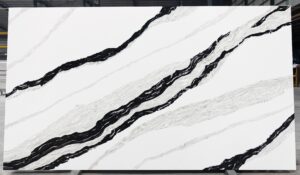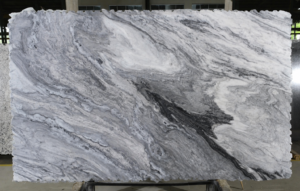
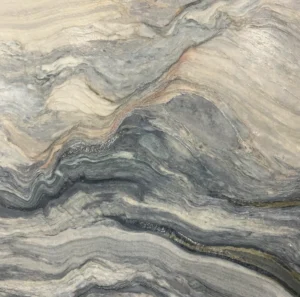
Quartzite brings marble’s good looks to a kitchen with granite-like toughness — but it’s still a porous natural stone, so it needs sealing to fend off stains. The good news: keeping it beautiful doesn’t take much. Wipe up spills as they happen, clean with mild soap and water, and skip acidic cleaners or abrasive pads that can wear down the finish. A few cutting boards and trivets go a long way toward preventing scratches and heat marks, and resealing on a regular schedule keeps that marble-like shine looking showroom-fresh for years, even in a busy household kitchen.
What Do You Need Before Cleaning Quartzite?
Two supplies handle most quartzite maintenance: a soft cloth and a non-acidic cleaner. Quartzite forms naturally through heat and pressure, which sets it apart from manufactured quartz, a product made from crystals bound with resin. That distinction matters because natural stone and engineered stone respond differently to cleaning products, and using the wrong one shortens a countertop’s lifespan.
Quartzite, like every natural stone, demands consistent, gentle care rather than harsh scrubbing or heavy chemicals. Skipping regular maintenance leaves surfaces vulnerable to dulling, staining, and etching over time. Building a simple routine now prevents costly damage later.
What Cleaning Products Work Best on Quartzite?
A low pH, non-acidic cleanser protects the stone’s finish without stripping its natural sealant. Mild soap and water works well for daily wipe-downs. Stone-specific cleaners, available at most home improvement retailers, tackle tougher grime.
Before starting a cleaning session, homeowners should gather:
- A soft microfiber cloth or non-abrasive sponge
- Mild dish soap or a pH-neutral stone cleaner
- Warm water
- A separate dry cloth for buffing
Why Does Proper Care Matter So Much?
Quartzite is one of the pricier countertop upgrades a homeowner can make, so getting the care routine right isn’t optional — it’s what protects that investment for decades. A simple, consistent cleaning and sealing schedule keeps the stone’s natural beauty intact and heads off the premature wear that quietly chips away at resale value.
How Do You Clean Quartzite Countertops Daily?
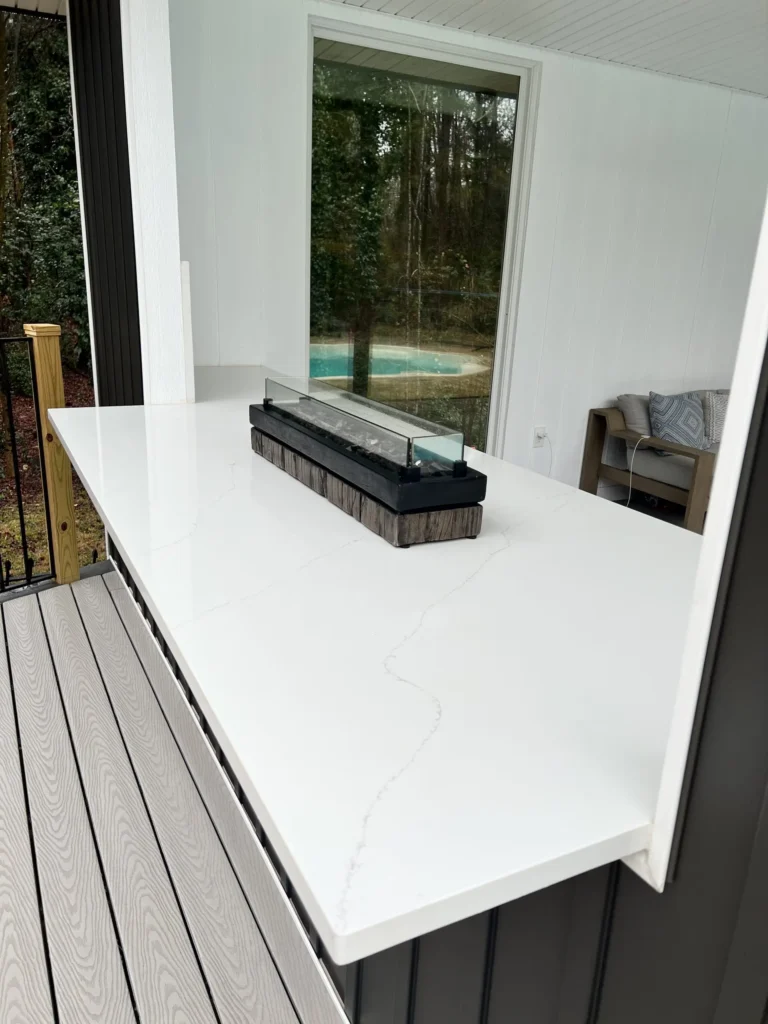
Daily cleaning of quartzite requires nothing more than a soft cloth, warm water, and a mild dish soap. Homeowners searching for how to care for quartzite countertops on a routine basis will find the process refreshingly simple, thanks to the stone’s dense, low-maintenance structure. Quartzite forms from sandstone subjected to intense heat and pressure deep within the earth. That geologic process leaves behind a surface tough enough to shrug off everyday wear. Skipping regular wipe-downs still invites buildup from spills and food residue. A consistent routine matters even with such a durable material.
The following steps keep quartzite counters looking their best:
- Wipe spills immediately with a soft, non-abrasive cloth.
- Mix a few drops of mild dish soap into warm water.
- Wash the surface in a circular motion, focusing on areas near sinks and stovetops.
- Rinse with clean water to remove soap residue.
- Dry with a microfiber towel to prevent water spots.
Can lemon juice or vinegar damage quartzite?
Unlike marble, properly sealed quartzite stands up well to acidic splashes from lemon juice, vinegar, and wine — it won’t etch the way softer stones do. That said, “acid-resistant” isn’t “acid-proof,” and a worn or missing sealant leaves the surface exposed. Keep the sealant fresh and home cooks can prep with citrus, tomatoes, and vinaigrettes nearby without hovering over the counter.
Why does quartzite behave differently from marble during cleaning?
Quartzite gives you marble’s soft, veined look but reacts to cleaning products more like granite — a combination that’s hard to beat for a busy kitchen. That distinction matters most for remodelers weighing materials for high-traffic spaces: a family that wants the marble aesthetic without babying the surface every day usually lands on quartzite once they understand the difference.
Consistent, correct cleaning habits protect the investment long-term. Daltile’s stone product development team confirms that proper daily care keeps quartzite countertops beautiful for many years, sparing homeowners from premature dulling or surface buildup that shortcuts in cleaning routines tend to cause.
How Do You Remove Stains From Quartzite?
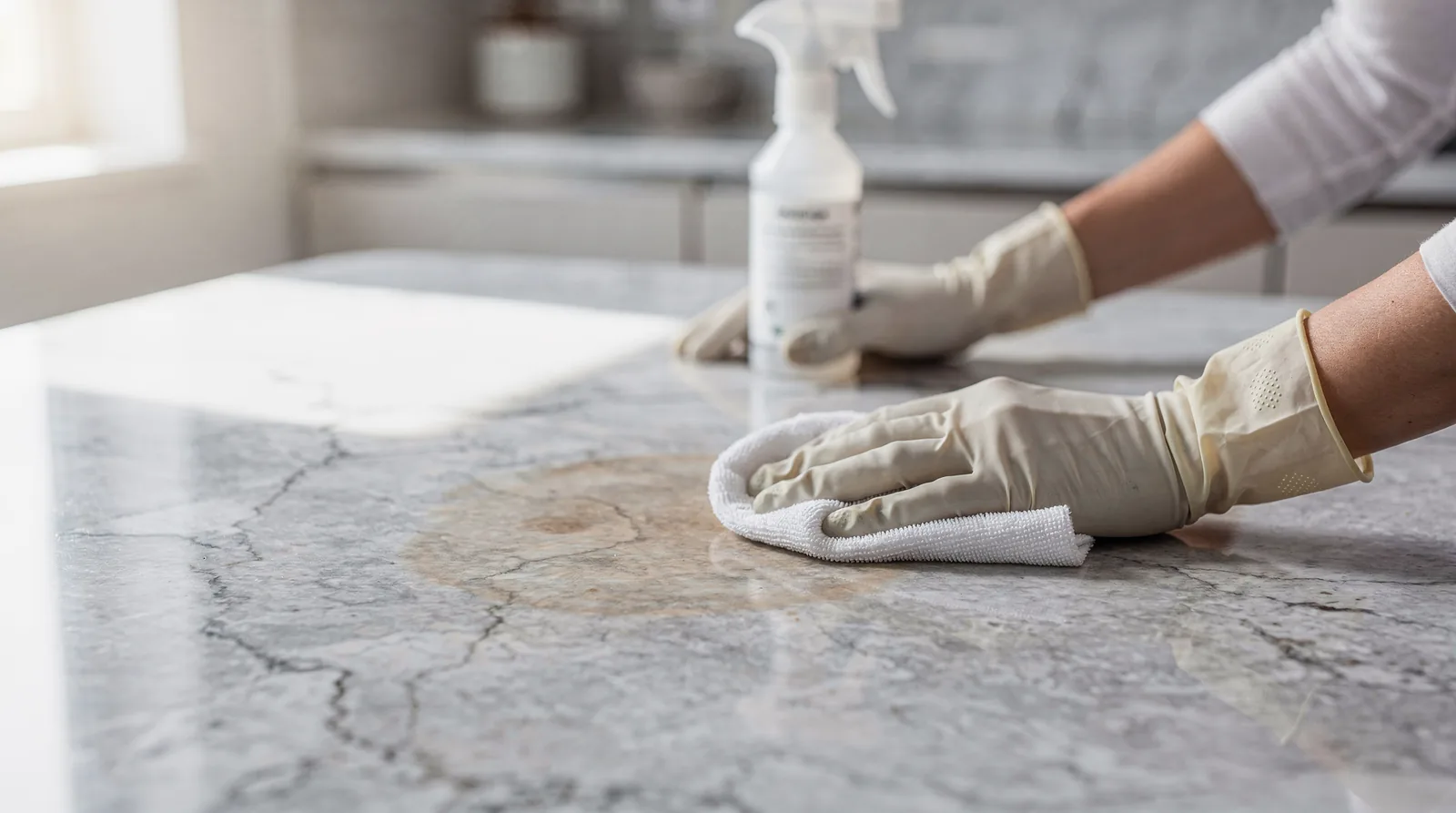
Prompt action determines whether a stain lifts cleanly or sets into the stone permanently. Quartzite might look indestructible. The surface stays vulnerable to spills, oils, and acidic liquids until sealed and treated with care. Homeowners who master how to care for quartzite countertops know that stain removal follows a specific sequence, not guesswork.
- Blot the spill immediately with a paper towel instead of wiping, which spreads the liquid across a wider area.
- Rinse the spot with warm water and a few drops of mild dish soap.
- Apply a soft-bristle brush for stubborn residue rather than an abrasive scrubber.
- Dry the area completely with a clean cloth to prevent water spotting.
- Treat lingering oil or wine stains with a poultice paste designed for natural stone, left to sit overnight before rinsing.
Does Quartzite Stain Easily?
Staining risk depends largely on sealant condition rather than the stone itself. Because maintenance requirements mirror those of granite, a properly sealed surface resists most kitchen spills long enough for cleanup before permanent damage sets in.
What Should Never Be Used on Quartzite Stains?
Bleach, vinegar, and other acidic or abrasive cleaners degrade the sealant and etch the surface over time. Sticking to pH-neutral products protects both the finish and the stone’s natural pattern.
A complete maintenance plan treats stain removal as one piece of a larger routine. Regular cleaning, timely sealing, and careful attention to popular varieties like Taj Mahal and Sea Pearl quartzite all work together to preserve the surface for decades. Skipping any single step shortens that lifespan considerably.
How Do You Seal Quartzite Countertops?
Sealing quartzite countertops means applying a penetrating stone sealer to a clean, dry surface at regular intervals to guard the finish — a core part of any quartzite maintenance guide. Skipping it won’t crack or crumble the stone — quartzite’s structure is too tough for that — but it does leave the surface exposed to staining agents over time. Think of sealing less as damage control and more as routine maintenance, the same way you’d rotate tires on a car before a problem shows up.
Industry professionals consider quartzite nearly indestructible in terms of raw strength. Hardness and durability rank among its strongest selling points. That density and hardness are what make it so forgiving day to day, though we won’t throw out exaggerated claims about scratching glass or dulling knife blades without solid data behind them. That hardness means sealing does not exist to protect against scratching or cracking. Instead, sealing preserves the polished look and blocks moisture from working into the stone’s surface.
Does quartzite need to be sealed at all?
Yes, most quartzite benefits from periodic sealing, even though the stone resists common kitchen acids and will not etch from lemon juice or vinegar contact. Sealing adds a protective layer that keeps the surface looking new for years.
What is the basic sealing process?
- Clear the countertop of dishes, appliances, and debris.
- Clean the surface thoroughly and let it dry completely.
- Apply a penetrating sealer in thin, even coats using a soft cloth.
- Let the sealer absorb per the product’s recommended time.
- Wipe away excess sealer before it cures on the surface.
- Repeat with a second coat if the manufacturer recommends it.
Homeowners comparing quartzite to marble often note the resemblance in appearance. Quartzite’s granite-like durability makes it more forgiving of daily kitchen use. Consistent sealing locks in that advantage.
What Mistakes Should You Avoid With Quartzite?
Confusing quartzite with manufactured quartz is the costliest mistake we see homeowners make. Quartz is manufactured — crushed crystals bound with epoxy resin and dyes — while quartzite forms naturally underground over centuries of heat and pressure. Treat a natural stone surface with cleaners or sealers meant for an engineered product and you risk damaging the finish and voiding the warranty. Knowing how to care for quartzite countertops starts with knowing which material is actually in the kitchen — if you’re not sure, our team can confirm it during a quick consultation before you reach for the wrong cleaner.
Skipping regular upkeep ranks as the second major misstep. Quartzite counts among the most sought-after countertop choices for kitchens, bathrooms, bars, and laundry rooms, prized for veining that mimics marble and movement that feels organic. That popularity comes with a catch: the surface stays beautiful only through consistent care, not a one-time installation triumph. Owners who assume the stone takes care of itself often watch its shine dull within a year or two.
Is Quartzite Maintenance-Free?
No stone qualifies as fully maintenance-free, and quartzite is no exception. Its density and hardness make it forgiving, but neglecting sealing and cleaning schedules still leads to staining and etching over time.
Common mistakes worth avoiding include:
- Mistaking quartz for quartzite and applying the wrong cleaning products
- Skipping periodic sealing because the surface “looks fine”
- Ignoring spills instead of wiping them promptly
- Assuming factory finish eliminates the need for routine care
Whether the project involves a brand-new kitchen build or the upkeep of an established one, following professional guidance protects the investment. Countertops that receive proper attention keep their showroom appearance for decades rather than fading within a few short years.
For more countertop care, maintenance, and installation guidance, explore our Service-Specific Advice.
Ready for Expert Help With Your Quartzite Countertops?
A solid care routine keeps quartzite looking its best, but choosing the right slab, sealer, or installer can still raise questions no article fully answers. Granite Depot’s team works with quartzite every day — from helping homeowners pick between varieties like Taj Mahal and Sea Pearl to recommending the right sealing schedule for your specific kitchen. If you’d like a second opinion on your countertops or you’re planning a new installation, get in touch with our team for guidance built around your space.
Frequently Asked Questions
How often should quartzite countertops be resealed?
Most quartzite countertops need resealing every 1 to 2 years, though this varies with the sealer used and how much daily traffic the surface sees. A simple water-drop test — if water beads up rather than soaking in, the seal is still doing its job — tells you when it’s time to reseal.
What’s the real difference between quartz and quartzite?
Quartzite is a natural stone formed underground from sandstone under intense heat and pressure, giving it marble-like veining with granite-like toughness. Quartz is an engineered product made from crushed crystals bound with resin. They need different cleaning products, so knowing which one is on your counters matters before you reach for a bottle.
Can I use everyday kitchen cleaners on quartzite?
Stick to mild dish soap and water or a pH-neutral stone cleaner. Avoid bleach, vinegar, ammonia, and abrasive scouring pads, since these can wear down the sealant and dull the finish over time.
Is quartzite a good choice for a busy kitchen?
Yes. Quartzite’s density and hardness make it one of the more forgiving natural stones for high-traffic kitchens, standing up well to daily cooking, spills, and heavy use as long as it’s cleaned and sealed on a regular schedule.
What should I do if a stain has already set into the stone?
For oil- or wine-based stains that have set in, a poultice paste made for natural stone, left overnight, is usually the most effective fix. For stubborn or older stains, it’s worth having a stone care professional assess the surface before trying stronger DIY methods that could damage the finish.
Conclusion and Final Thoughts
Quartzite countertops reward consistent care with lasting beauty and durability. A straightforward routine — daily cleaning with mild soap and water, prompt attention to spills, and periodic sealing — protects your investment and preserves the stone’s natural elegance for years to come. Give your quartzite surfaces the care they deserve, and they’ll continue to enhance your kitchen or bathroom with reliable performance and timeless appeal for decades. Have questions about sealing, stain removal, or choosing the right quartzite for your space? Contact Granite Depot Today!