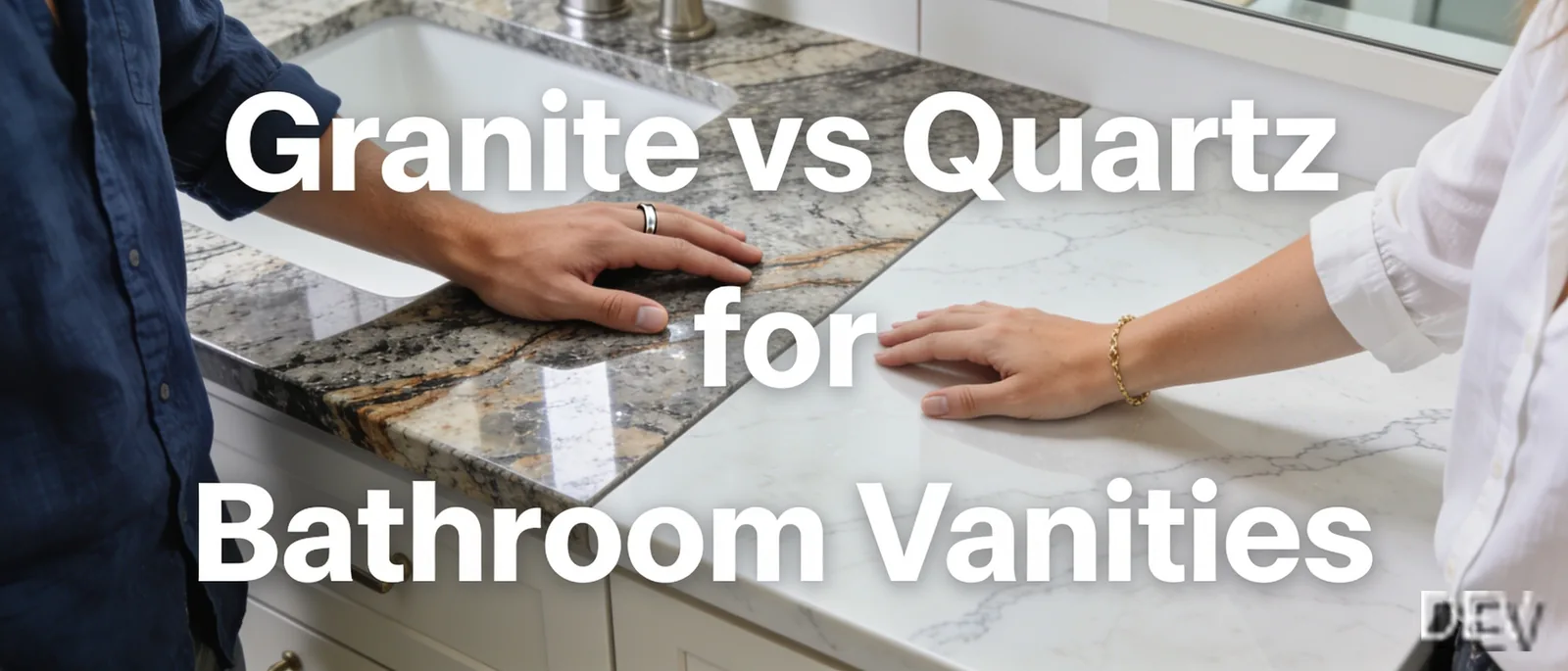
Choosing between granite and quartz for a bathroom vanity is one of the more consequential decisions in a renovation — the countertop touches everything from morning routines to resale value. Granite vs quartz for bathroom vanities ultimately comes down to a trade-off: quartz’s engineered, non-porous surface resists water and bacteria without sealing, while granite’s natural stone offers heat resistance and one-of-a-kind veining in exchange for a little more upkeep.
MSI Q Premium Natural Quartz, for example, carries a 15-year limited warranty and needs zero maintenance — a strong fit for bathrooms that see daily splashes, hair products, and steam. Granite, by contrast, asks for annual sealing to keep moisture from soaking into the stone, but rewards that small effort with a natural pattern no engineered surface can fully copy. Neither material is objectively “better” — the right pick depends on how a household actually uses its bathroom.
A quick look at what each material brings to the table:
- Granite — 100% natural stone, unique veining, naturally heat-resistant, needs periodic sealing
- Quartz — engineered surface, consistent color and pattern, stain-resistant, virtually maintenance-free
- Either way — Granite Depot’s proven fabrication and installation process, backed by guarantees and a licensed, bonded, and insured team, protects the investment
Granite vs Quartz: What’s the Real Difference?
Granite vs quartz for bathroom vanities comes down to one core fact: granite is 100% natural stone, cut directly from quarried blocks, while quartz is an engineered surface made from crushed stone and resin. That single distinction drives nearly every difference homeowners notice in a bathroom countertop material comparison — from veining patterns to how the surface reacts to daily bathroom moisture and heat.
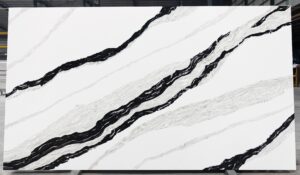
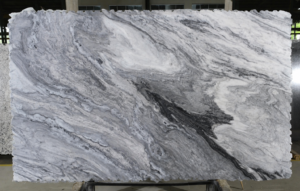
Granite Depot’s expertise in stone countertops gives homeowners a clearer starting point before committing to either material. Each slab used in a granite bathroom vanity carries unique mineral veining — no two pieces of natural stone form the same way underground. A quartz bathroom vanity, by contrast, offers uniform color and pattern because manufacturers engineer it under controlled conditions.
Is granite or quartz more natural-looking?
Granite wins on authenticity. Its natural formation produces one-of-a-kind veining and mineral flecks that engineered surfaces can imitate but never truly originate.
Does the material affect installation quality?
Not with the right fabricator. Granite Depot’s proven fabrication and installation process applies the same rigorous standards to both materials — quality doesn’t hinge on which slab a homeowner chooses.
| Factor | Granite | Quartz |
|---|---|---|
| Origin | 100% natural, quarried stone | Engineered from crushed stone and resin |
| Pattern | Unique veining per slab | Consistent, manufactured pattern |
| Fabrication | Proven Granite Depot process | Same proven Granite Depot process |
Once homeowners grasp this natural-versus-engineered divide, the rest of the decision — style, upkeep, and budget — becomes far easier to navigate with a trusted fabrication partner.
Which Material Handles Daily Bathroom Wear Better?
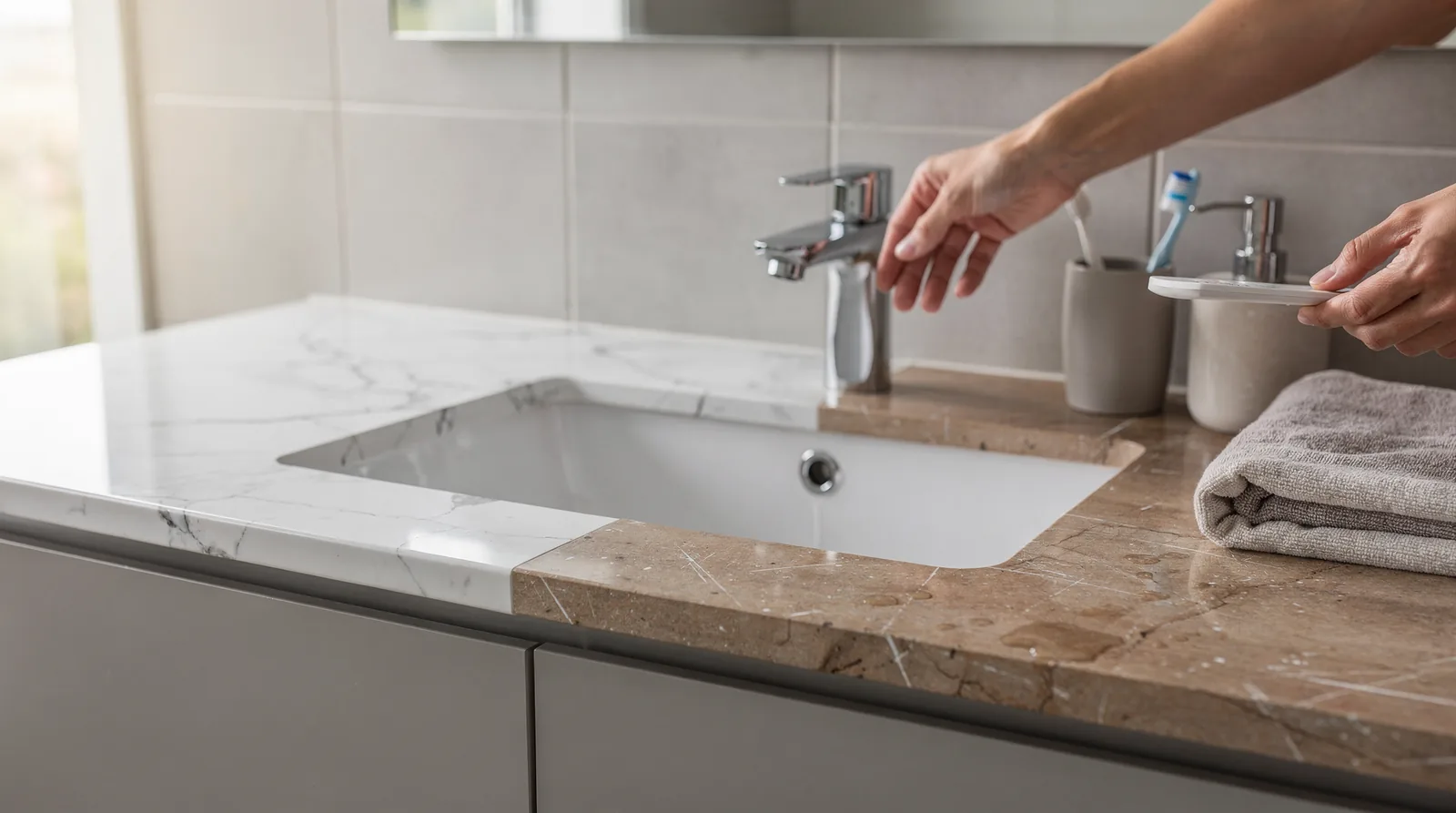
Daily bathroom wear demands a surface built for heat, moisture, and constant contact, and granite vs quartz for bathroom vanities each meet that demand differently.
- A granite bathroom vanity brings a naturally heat-resistant surface with one-of-a-kind veining, standing up well against hot styling tools and heavy morning traffic.
- A quartz bathroom vanity relies on engineered consistency, offering steady, predictable performance without the natural variation granite provides.
This bathroom countertop material comparison really boils down to what “durability” means in a household’s daily routine.
Does granite or quartz resist heat and daily use better?
Granite’s mineral composition gives it a genuine edge against heat, so curling irons and flat irons left resting on the surface pose less risk. That natural heat resistance, paired with granite’s hardness, makes it a strong contender for households that treat the vanity as a working surface rather than a display shelf.
How does installation quality affect long-term durability?
Material choice only tells half the story — fabrication and installation quality determine whether that durability actually holds up. Granite Depot’s proven process ensures quality fabrication and installation for custom countertops, so both stone options perform as expected for years rather than months.
| Factor | Granite | Quartz |
|---|---|---|
| Heat resistance | Naturally high | Lower tolerance |
| Surface pattern | Unique, natural | Consistent, engineered |
| Long-term performance | Backed by proper installation | Backed by proper installation |
Quartz countertop durability bathroom results depend just as heavily on skilled fabrication. Whichever material a homeowner selects, Granite Depot’s guarantees, warranties, and licensed, bonded, and insured status protect that investment — giving homeowners confidence the countertop will handle daily bathroom demands well beyond installation day.
How Much Upkeep Does Each Countertop Need?
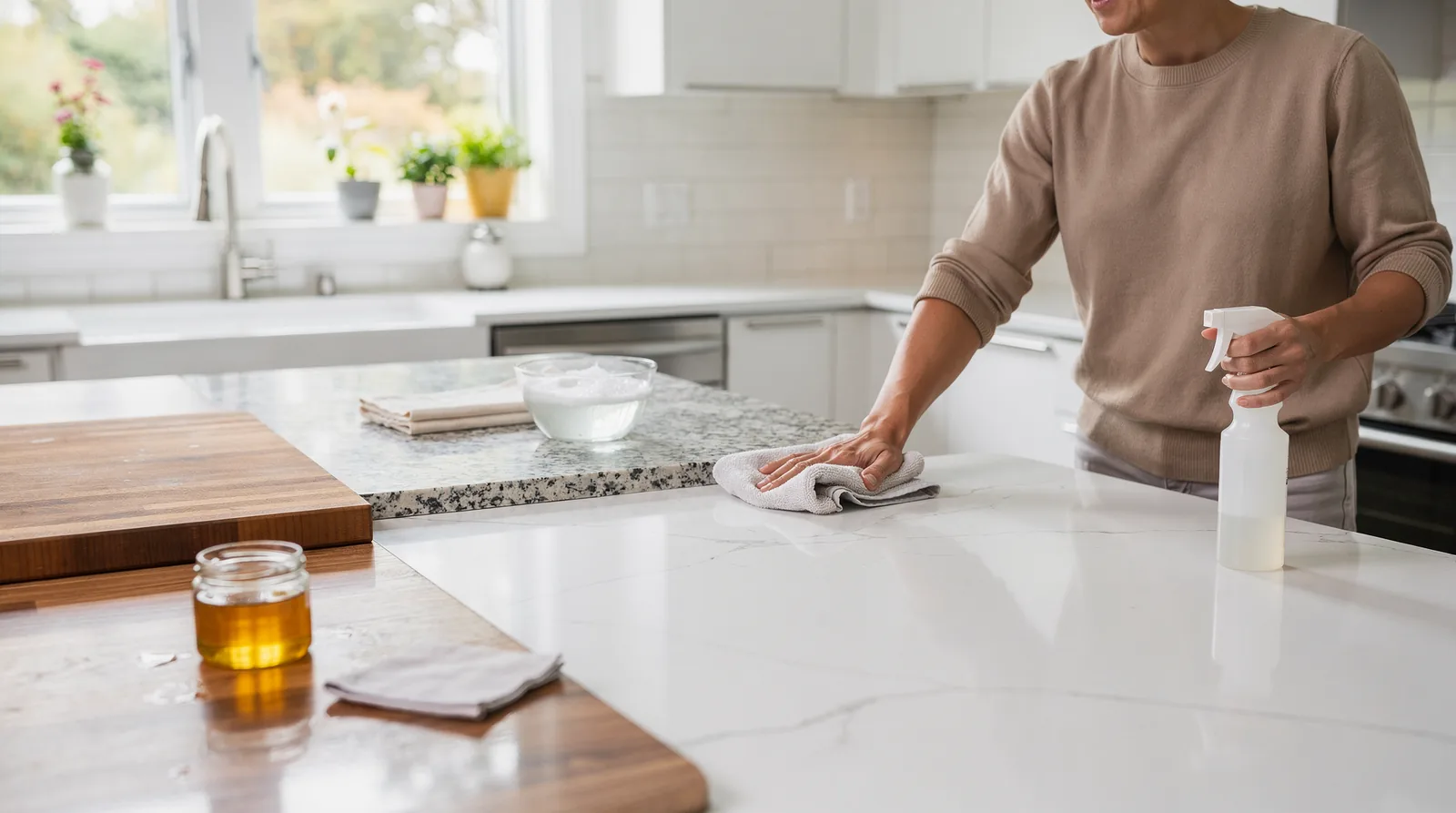
Upkeep differs sharply between the two materials, and that difference matters most inside a bathroom, where water, toothpaste, and hair products sit inches from the sink every day.
- Granite countertop maintenance bathroom routines center on periodic sealing. The stone’s natural pores absorb moisture and can stain if left unprotected near a faucet.
- Quartz countertop durability bathroom performance, by contrast, comes from an engineered surface that resists staining without any sealing schedule at all.
For homeowners weighing a granite bathroom vanity against a quartz bathroom vanity, the maintenance gap often becomes the deciding factor.
| Task | Granite Vanity | Quartz Vanity |
|---|---|---|
| Sealing | Required periodically | Not required |
| Daily cleaning | Mild soap and water | Mild soap and water |
| Stain risk near sink | Higher without sealing | Low |
| Long-term care effort | Moderate to high | Low |
Does granite need to be sealed in a bathroom?
Yes — granite in a bathroom setting benefits from periodic sealing to guard against moisture and staining near sinks. Skipping this step leaves the stone vulnerable to water spots and discoloration over time. Quartz avoids this step entirely, which is why many homeowners lean toward it for guest bathrooms with less consistent care.
Regardless of which material a homeowner chooses, Granite Depot’s proven process reduces post-installation surprises. Fabrication and installation teams handle the technical details, so a granite vanity that needs sealing or a quartz vanity that needs only routine wiping both perform as expected. Granite Depot also backs every project with guarantees and its licensed, bonded, and insured status, giving homeowners lasting confidence in the upkeep of whichever surface fits their bathroom.
What Will Granite or Quartz Cost You?
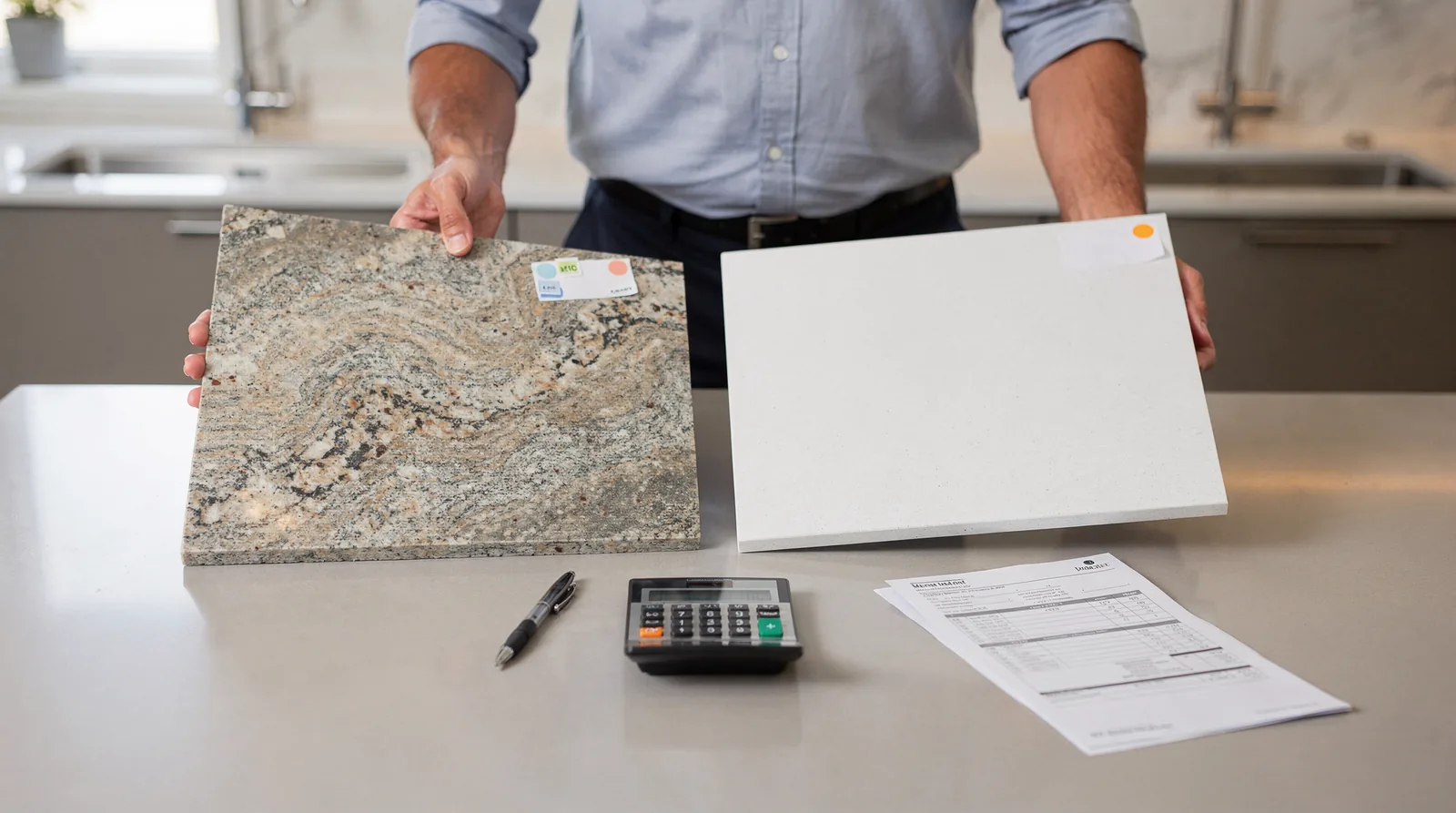
Pricing varies by package and project scope, so contact Granite Depot directly for accurate cost details. Still, this quartz vs granite countertop cost comparison matters most for homeowners balancing a bathroom renovation budget against long-term value — skipping it risks a vanity that looks stunning on installation day but drains money later through repeated sealing, repairs, or premature replacement.
Quartz tends to be the more budget-friendly choice over time. Its lower maintenance needs and simpler repair process mean fewer service calls and less ongoing spending after the initial purchase. Granite, by contrast, asks for a bigger upfront and lifetime investment — a factor that carries real weight in any bathroom countertop material comparison.
How can homeowners get an accurate cost estimate?
Every bathroom vanity differs in size, edge detail, and stone selection, so costs vary project to project. Granite Depot’s proven process guides homeowners through fabrication and installation with consistent quality control at each stage. Scheduling a consultation and estimate remains the most reliable way to pin down real numbers for a specific project rather than relying on generic price ranges.
Does choosing granite or quartz affect protection on the investment?
Yes — the contractor behind the countertop matters as much as the material itself. Granite Depot’s licensed, bonded, and insured status gives homeowners a layer of protection when comparing a granite bathroom vanity against a quartz bathroom vanity.
Cost snapshot:
| Factor | Granite | Quartz |
|---|---|---|
| Upfront cost | Generally higher | More moderate |
| Long-term maintenance cost | Higher (sealing, repairs) | Lower |
| Overall budget impact | Larger lifetime spend | More budget-friendly |
A guided estimate through a trusted, insured team turns this comparison into a confident decision rather than a guess.
So Which Is the Best Countertop for Your Vanity?
No single material wins every bathroom renovation — the right choice depends on how a household lives, cleans, and decorates. Choosing the best countertop for bathroom vanity projects comes down to weighing personality against practicality, not picking a “winner” in the abstract.
Homeowners captivated by natural stone’s one-of-a-kind veining and its resistance to heat frequently choose a granite bathroom vanity, accepting periodic sealing as the tradeoff for that organic beauty. Others prioritize a consistent, low-fuss surface and gravitate toward a quartz bathroom vanity instead. Neither instinct is wrong — each simply reflects different priorities around style versus upkeep.
Is granite or quartz better for a small guest bathroom?
Guest bathrooms see less daily wear, which makes either material workable. Homeowners who want minimal maintenance between cleanings often lean quartz. Those wanting a distinctive focal point favor granite’s natural pattern variation.
How should homeowners decide between the two?
A short checklist helps narrow the decision:
- Style priority: Want unique veining? Lean granite. Want uniform color? Lean quartz.
- Maintenance tolerance: Comfortable with occasional sealing? Granite works. Prefer near-zero upkeep? Quartz fits better.
- Existing decor: Granite’s variation can be harder to match; quartz offers more predictable coordination.
Granite Depot’s deep expertise in stone countertops equips its team to walk homeowners through these tradeoffs, matching material choice to actual daily habits rather than trends alone. That guidance matters most once a decision starts feeling overwhelming.
Ultimately, a consultation grounded in Granite Depot’s proven fabrication process — backed by its guarantees and its licensed, bonded, and insured status — gives homeowners confidence that whichever material they choose, granite or quartz, gets installed correctly and built to last.
Ready to Compare Granite and Quartz in Person?
Photos and charts only go so far — the best way to choose between granite and quartz for your bathroom vanity is to see and feel real slabs side by side. Granite Depot’s team can walk you through samples, talk through your household’s habits and budget, and put together a fabrication and installation plan backed by our guarantees and our licensed, bonded, and insured status. Get in touch with Granite Depot to schedule a consultation and get an accurate estimate for your bathroom renovation.
Frequently Asked Questions
Is quartz or granite better for a bathroom vanity?
It depends on your priorities. Quartz is non-porous and needs no sealing, making it ideal for low-maintenance, high-traffic bathrooms. Granite offers unique natural veining and strong heat resistance but needs periodic sealing to stay stain-resistant. Neither is universally “better” — the right choice depends on your household’s habits and style preferences.
How often does a granite bathroom vanity need to be sealed?
Most granite countertops benefit from sealing about once a year, though this can vary based on the specific stone and how much moisture the vanity is exposed to. Granite Depot’s team can recommend a sealing schedule based on your slab during a consultation.
Is quartz more expensive than granite for a bathroom vanity?
Granite typically carries a higher upfront and lifetime cost due to sealing and occasional repairs, while quartz tends to be more budget-friendly over time thanks to its low-maintenance, engineered surface. Exact pricing depends on your project scope, so it’s best to get a personalized estimate from Granite Depot.
Can granite or quartz countertops be damaged by heat in a bathroom?
Granite is naturally heat-resistant, so hot styling tools like curling irons pose less risk when set directly on the surface. Quartz has a lower heat tolerance, so it’s a good idea to use a trivet or mat for hot tools on a quartz vanity.
Does Granite Depot install both granite and quartz bathroom vanities?
Yes. Granite Depot’s proven fabrication and installation process applies the same rigorous quality standards to both materials, and every project is backed by our guarantees and our licensed, bonded, and insured status.
Conclusion and Final Thoughts
Granite and quartz each earn their place in a bathroom renovation — the right pick simply depends on how your household lives day to day. If you love one-of-a-kind natural veining and don’t mind a yearly sealing routine, a granite bathroom vanity delivers character no engineered surface can fully match. If you want consistent color and virtually no upkeep, a quartz bathroom vanity is built for busy mornings and guest bathrooms alike.
Whichever direction feels right, the material is only half the equation — skilled fabrication and installation are what make a countertop perform for years, not just look good on day one. Granite Depot’s proven process, backed by real guarantees and a licensed, bonded, and insured team, is designed to take the guesswork out of that decision so your new vanity holds up to real life, not just showroom lighting.