If you love the look of marble but don’t want to babysit a soft stone for the next twenty years, dolomite countertops deserve a serious look. This sedimentary stone shares marble’s soft veining and bright backgrounds but holds up noticeably better against daily wear, which is why it’s become a go-to pick for busy kitchens. Like any natural stone, dolomite has tradeoffs: it can etch with acidic spills and needs periodic sealing to keep looking its best. Before you decide, it helps to understand how dolomite really compares to marble, granite, and quartz. You can see the differences firsthand at Granite Depot’s showrooms in Knoxville, Johnson City, and Sevierville, TN, where full slabs — including the increasingly popular super white dolomite — are on display before you commit to a purchase.
What Is a Dolomite Countertop, Exactly?
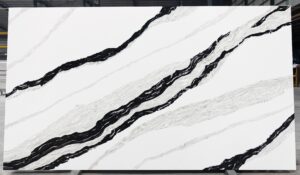
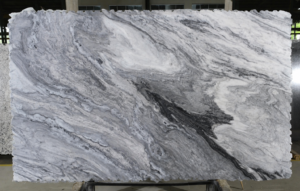
A dolomite countertop starts as a sedimentary rock formed mainly from the mineral dolomite. Homeowners researching what a dolomite countertop is are often surprised to learn it shares marble’s soft white-and-gray veining, yet it forms through a distinct geological process. That resemblance is exactly why so many kitchen remodels feature slabs marketed as super white dolomite, prized for bright backgrounds and gentle gray movement.
Where Does the Marble-Like Look Come From?
The veining traces back to mineral deposits laid down over long stretches of geologic time, producing the same soft contrast marble is known for. Dolomite differs from marble at the mineral level, though, and that difference is what affects hardness and how the surface reacts to daily kitchen wear.
Is Dolomite the Same Thing as Marble?
Not exactly. Both stones look similar on the surface, but dolomite’s mineral makeup sets it apart in strength — a distinction that matters when homeowners weigh whether dolomite is durable enough for a busy kitchen.
Selecting the right slab takes more than admiring veining under showroom lighting. Working with Granite Depot’s experienced fabrication team helps homeowners walk through fabrication and installation step by step, so final decisions rest on informed comparisons rather than guesswork. That kind of hands-on stone expertise lets buyers weigh dolomite against marble, granite, and quartz countertops side by side before ordering a single slab.
A quick comparison helps frame the choice:
- Dolomite: marble-like veining, moderate hardness, sedimentary origin
- Marble: classic veining, softer surface, prone to etching
- Granite: granular texture, strong durability, low maintenance
- Quartz: engineered stone, uniform pattern, highly stain-resistant
Understanding these distinctions early prevents costly surprises after installation day.
Is Dolomite Durable Enough for Kitchens?
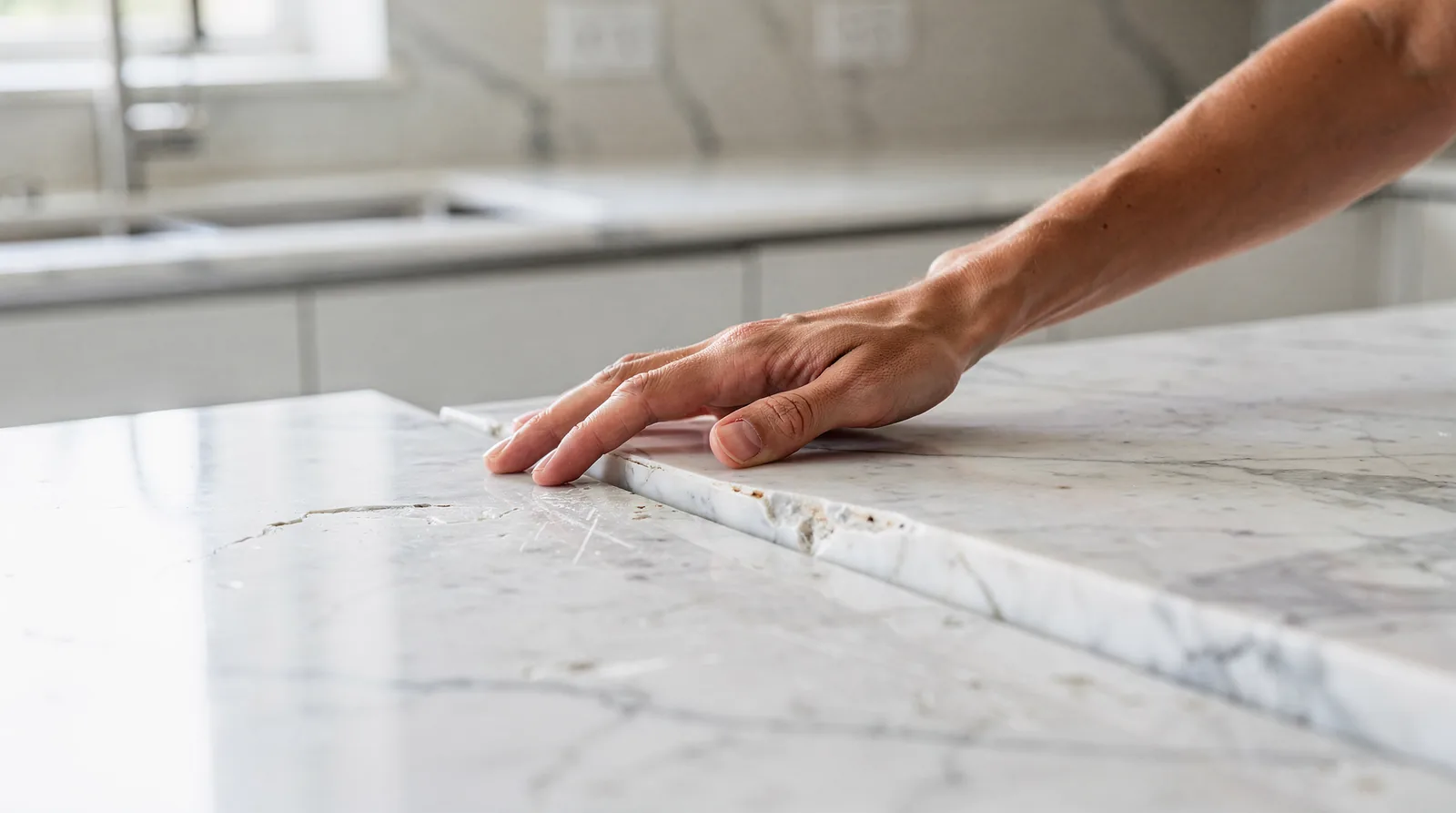
Dolomite holds up well in most kitchens, though its strength sits between marble and granite. On the Mohs hardness scale, dolomite countertop material scores between 3.5 and 4. That places it above marble in scratch resistance but below granite and quartz, the two hardest common options.
For homeowners asking is dolomite durable enough for daily cooking and cleanup, the answer really comes down to habits and care. Heavy chopping directly on the surface, or years of neglecting a sealant, will wear dolomite faster than granite. Routine kitchen use, paired with basic maintenance, keeps most dolomite surfaces performing well for years.
Where Dolomite Ranks on the Hardness Scale
| Material | Mohs Hardness | Relative Durability |
|---|---|---|
| Marble | ~3 | Softest, most prone to etching |
| Dolomite | 3.5–4 | Stronger than marble |
| Granite | 6–7 | Highly scratch-resistant |
| Quartz | 7 | Hardest, engineered surface |
Does Super White Dolomite Perform Differently Than Other Colors?
Color doesn’t change the mineral hardness of the stone. Super white dolomite carries the same 3.5-to-4 Mohs rating as other dolomite slabs — hardness depends on mineral composition, not pigment or veining pattern. Homeowners choosing this popular shade for its marble-like brightness get the same durability profile as any other dolomite selection.
Granite Depot’s fabrication team applies deep stone expertise when guiding clients through these tradeoffs before purchase. That guidance matters, because durability expectations shape sealing schedules and daily care habits. A proven quality-control process at Granite Depot also ensures each dolomite slab is fabricated and installed correctly, so the finished countertop performs as expected under normal kitchen conditions. Clients weighing dolomite against granite or quartz countertops benefit from that combination of technical knowledge and consistent installation standards.
What Pros Make Dolomite Worth Considering?
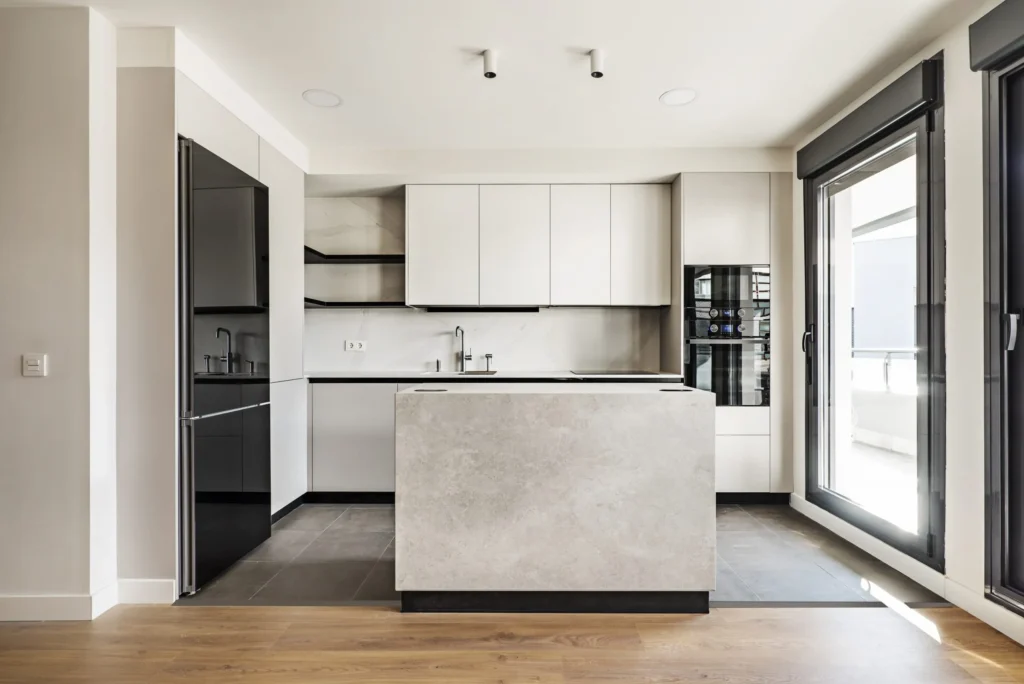
Dolomite earns its growing following through a rare mix of marble-like elegance and everyday practicality. A common “what is dolomite countertop” question often starts with the stone’s white base and soft grayish-brown veining — a look that reads as one-of-a-kind rather than mass-produced. That natural pattern variation makes each slab distinct, which appeals to homeowners who want a kitchen that doesn’t look like everyone else’s.
Price is another draw. Pricing varies by package, so it’s worth contacting Granite Depot directly for specifics, but dolomite still delivers a high-end appearance that can help remodelers stretch a renovation budget without settling for a plain, uniform surface.
Is Dolomite Durable Enough for Daily Kitchen Use?
Dolomite carries more strength than traditional marble, which helps it hold up better against the daily wear of food prep and family traffic. Homeowners weighing an is-dolomite-durable comparison against granite or quartz should know it sits in the middle: sturdier than marble, but still a stone that benefits from sealing and careful care.
What Makes Super White Dolomite So Popular?
Super white dolomite has become a favorite among remodelers chasing a bright, almost marble-white backdrop with subtle movement rather than bold veining. Its light tone pairs easily with most cabinetry colors, making it a flexible choice for kitchens and bathrooms alike.
Granite Depot’s fabrication process supports this appeal directly. A proven cutting and installation approach helps homeowners achieve the marble-inspired dolomite look without compromising quality control at any step. Backed by deep expertise in stone countertops, the team guides both homeowners and trade professionals toward dolomite’s strength and elegance:
- Distinctive veining for a one-of-a-kind surface
- Lower cost than many premium natural stones
- Added strength compared to standard marble
- Quality-controlled fabrication from slab to installation
What Cons Should Buyers Watch For?
Dolomite falls short of quartz and premium granite on raw performance, even though the stone beats marble in strength and costs less than granite. Buyers weighing what a dolomite countertop actually delivers need to see this tradeoff clearly before they fall for the marble-like veining.
Strength alone doesn’t tell the full story. Dolomite resists chips and cracks better than marble, but its surface still reacts to acidic foods and harsh cleaners over time. Homeowners chasing a low-maintenance kitchen should weigh that reality against the stone’s undeniable good looks.
Is Dolomite Durable Enough for a Busy Kitchen?
Durability depends on how the stone gets sealed and cared for, not just its natural composition. Granite Depot’s fabrication process helps homeowners plan sealing schedules and daily care habits that protect the surface from etching before it starts. Skipping that planning stage is where most durability complaints originate.
What Should Buyers Know Before Choosing Super White Dolomite?
Super white dolomite draws attention for its bright, marble-like base and soft veining, but its light color shows etching and staining faster than darker stones. Granite Depot’s stone experts walk homeowners through these maintenance tradeoffs ahead of installation day, so expectations match reality.
Buyers comparing options should keep three cons in mind:
- Lower scratch and heat resistance than quartz or high-quality granite
- Vulnerability to etching from acidic spills without regular sealing
- Lighter shades, including super white varieties, that reveal wear sooner
None of these drawbacks disqualify dolomite outright. They simply mean buyers need a clear maintenance plan and realistic expectations before signing off on a slab.
Is Super White Dolomite Right for You?
Super white dolomite suits homeowners who want marble’s soft, cool-toned beauty without marble’s reputation for high maintenance. Popular white-based slabs carry the same gentle veining and natural character found across dolomite varieties, giving kitchens and bathrooms a bright, timeless backdrop. For remodelers chasing a light, airy palette, this stone delivers the visual payoff of marble at a different point on the durability spectrum.
Deciding whether it fits a specific project means weighing more than color. Granite Depot’s proven process supports fabrication and installation of custom dolomite countertops, including the bright white-toned slabs homeowners request most often. That process covers everything from slab selection to final install, reducing the guesswork that trips up first-time stone buyers.
How Does Super White Dolomite Compare to Other Options?
Homeowners rarely choose in a vacuum; they compare stone against stone. Granite Depot’s expertise in stone countertops gives clients a reliable resource for weighing super white dolomite against granite, marble, and quartz side by side.
| Consideration | Super White Dolomite |
|---|---|
| Look | Marble-like, cool-toned, soft veining |
| Best for | Light, bright kitchen and bath designs |
| Maintenance | Requires guidance on sealing and care |
| Selection support | Available through Granite Depot’s fabrication process |
Who Should Choose a Different Stone Instead?
Homeowners prioritizing heavy daily use over a marble aesthetic often lean toward alternatives with higher wear resistance, such as granite or quartz countertops. Anyone unsure which direction fits their kitchen benefits from comparing slabs in person before committing. Guidance from Granite Depot’s experienced fabrication team narrows that decision quickly.
Ready to See Dolomite in Person?
Photos only tell part of the story — dolomite’s veining and tone really come alive under natural light. Stop by a Granite Depot showroom in Knoxville, Johnson City, or Sevierville, TN to compare full slabs side by side, or call contact us to talk through your project with our fabrication team and get a free estimate.
Frequently Asked Questions
Is dolomite as durable as granite?
No. Dolomite scores 3.5–4 on the Mohs hardness scale, while granite scores 6–7. Dolomite is stronger than marble, but if your kitchen sees heavy daily chopping and high traffic, granite or quartz will hold up better long-term.
How often does a dolomite countertop need to be sealed?
Most dolomite slabs need resealing periodically to guard against etching and staining, though the exact schedule depends on how the stone is used. Granite Depot’s team can recommend a sealing routine based on your specific slab and kitchen habits.
Why is super white dolomite so popular right now?
Super white dolomite gives homeowners a bright, marble-like backdrop with soft veining that pairs well with almost any cabinetry color, at a lower cost than many premium natural stones — a big reason it’s become a go-to choice for light, modern kitchens.
Can I see dolomite slabs in person before buying?
Yes. Granite Depot has showrooms in Knoxville, Johnson City, and Sevierville, TN, where you can view full dolomite slabs, including super white varieties, and compare them against granite, marble, and quartz before making a decision.
Is dolomite a good choice for bathrooms as well as kitchens?
Yes. Because dolomite sees lighter daily wear in a bathroom than in a kitchen, its marble-like look and lower maintenance needs make it a strong option for vanities and surrounds, especially in bright, light-colored designs.
Conclusion and Final Thoughts
Dolomite countertops give homeowners a real middle ground: the soft, marble-like veining people fall in love with, paired with more strength than marble and a friendlier price tag than many premium stones. The tradeoff is that dolomite still needs regular sealing and a bit of care around acidic spills, so it rewards homeowners who are willing to follow a simple maintenance routine. Whether you’re drawn to a classic dolomite slab or the brighter, in-demand super white dolomite look, the right choice comes down to how the space gets used day to day and how it’s fabricated and installed. Comparing slabs in person and leaning on an experienced fabrication team takes the guesswork out of that decision, so your countertop looks great and performs well for years to come.