By Editorial Team · Updated 2026-09-02
If you’re planning a fireplace renovation, the surround material you choose affects far more than curb appeal—it determines how safely and how long your fireplace performs. Natural stone, including granite, quartzite, and marble, remains the top choice for fireplace surrounds because it combines non-combustible durability with the heat resistance that gas, wood-burning, and electric units demand. Quartzite offers superior heat tolerance, granite adds scratch resistance for busy households, and marble brings timeless, high-end elegance. Whichever material you’re weighing, understanding how each one performs under real conditions will help you choose a surround that looks great and holds up for decades.
What Makes a Fireplace Surround Material Safe?
Safety starts with heat tolerance and structural resilience, not appearance. A surround sitting close to an active firebox faces two threats at once: sustained temperature exposure and daily physical wear. Materials that fail either test put homeowners at risk and shorten the life of the installation.
Two properties separate a safe surround material from a risky one:
- Heat resistance — the surface must handle the ambient warmth thrown off by gas or wood-burning units without cracking, discoloring, or off-gassing.
- Durability — the material must shrug off accidental bumps, tool drops, and years of ash contact without pitting or staining.
Both qualities matter equally. A stone that resists heat but is prone to chipping fails to meet durability standards. One that resists impact but scorches under sustained warmth creates a fire hazard near the firebox opening. Contractors evaluating the best material for fireplace surrounds should weigh both factors before recommending a product to a client.
Why does fireplace surround safety matter so much?
Fireplace surrounds carry a dual responsibility: protecting the home and anchoring the room’s design. Because the surround sits inches from open flame or a gas insert, any weakness in the material becomes a safety liability, not just a cosmetic flaw. Designers and remodeling contractors who treat the surround as decoration only, rather than a functional barrier, risk specifying a product that degrades within a few seasons.
Does a safe material have to look industrial?
No — heat resistance and durability don’t require sacrificing style. Natural stone options deliver both protective performance and a refined, design-forward appearance, giving homeowners a surround that performs as well as it looks.
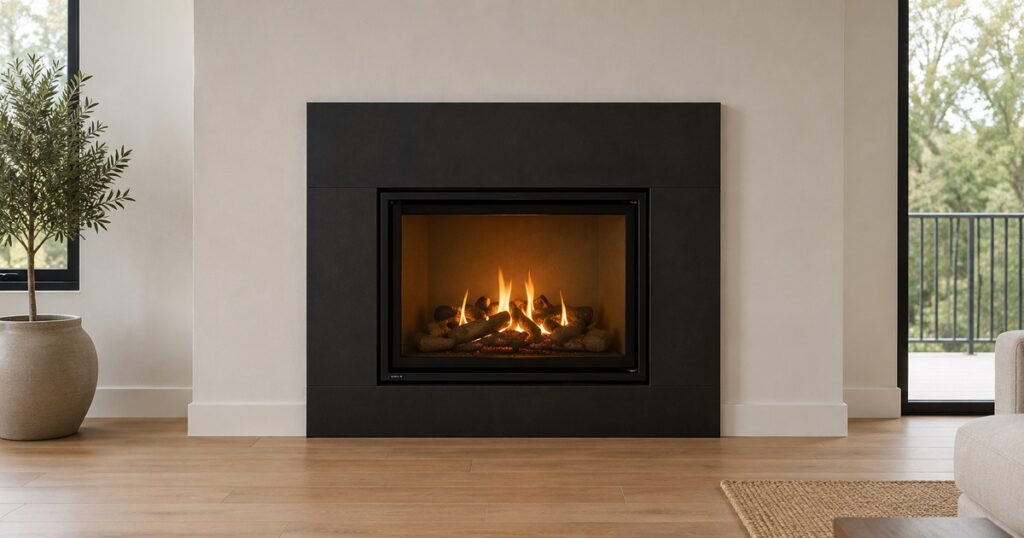
Which Natural Stones Work Best for Surrounds?
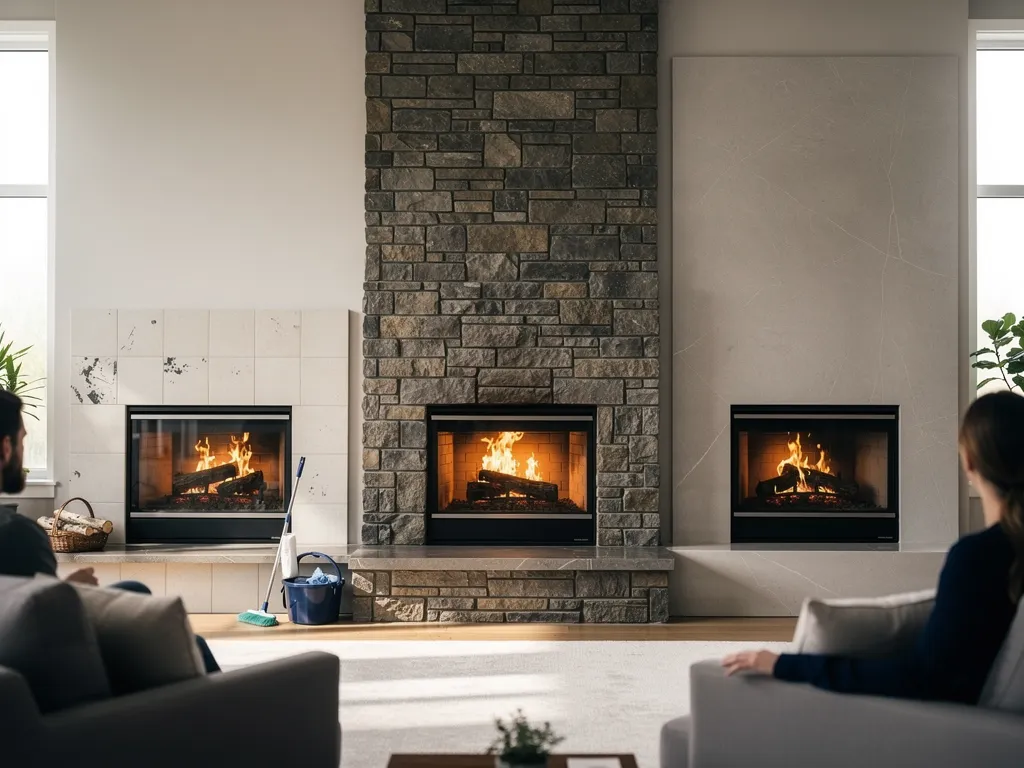
Natural stone stands apart as the best material for fireplace surrounds when a homeowner wants elegance paired with lasting durability. Few products on the market rival stone’s combination of visual weight and longevity. Granite, marble, and quartzite each bring a distinct character to a living space, yet all three share the density and heat tolerance that a surround demands.
A fireplace does more than warm a room. It anchors the entire design, drawing the eye the moment someone walks in. That focal-point role means the surrounding material carries real design responsibility, not just structural duty.
Why does natural stone outperform other surround materials?
Stone delivers on style, durability, heat resistance, and low maintenance all at once. Homeowners chasing a high-end, refined look gravitate toward it precisely because it ages well and resists the wear that cheaper substitutes cannot handle. Interior designers favor stone surrounds for the same reason: the material photographs beautifully and holds its finish across decades of use.
Which stone type fits which project?
Selection often comes down to the desired mood and budget tier.
- Granite — dense, heat-tolerant, and available in bold patterns for contractors seeking durability with visual punch.
- Marble — the classic choice for a high-end, elegant aesthetic in formal living rooms.
- Quartzite — combines marble-like veining with granite-level toughness, a strong pick for busy households.
Each option satisfies the core requirement: a surround that enhances a home’s style while standing up to years of heat exposure. Renovation contractors evaluating gas, wood-burning, or electric installations can treat this durability-plus-elegance combination as the baseline standard for any premium surround recommendation.
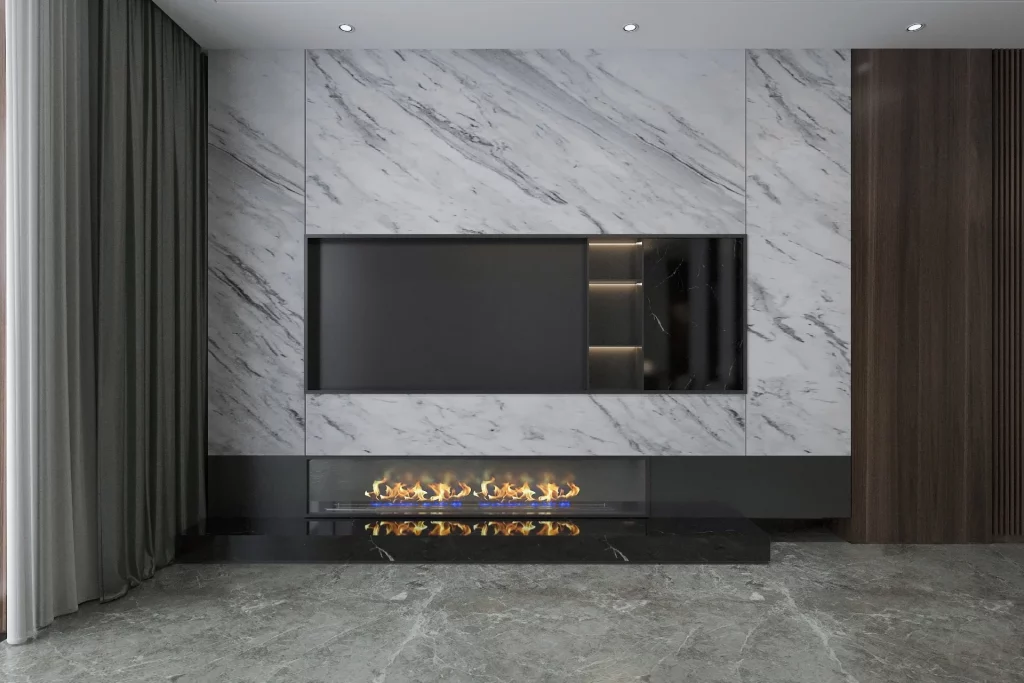
Is Brick or Tile a Better Choice?
Brick wins on warmth and character; tile wins on cleaning ease and design flexibility. For homeowners weighing the best material for fireplace surrounds, the decision often comes down to maintenance tolerance versus aesthetic goals. Neither option is wrong—each serves a different vision for the room.
Brick delivers a traditional, homey feel that suits country and classic interiors better than almost any other material. Its texture reads as timeless rather than trendy. Masons can lay brick in multiple patterns, giving each surround a distinctive, one-of-a-kind look that resists going out of style. Cost is another point in brick’s favor: it’s relatively inexpensive compared to premium stone options, and it retains heat well, keeping a room comfortably warm even after the fire has died down.
Does Brick Require More Maintenance Than Tile?
Yes, generally. Brick’s porous surface absorbs soot and dirt over time, so it needs regular sealing to prevent staining and buildup. Skipping that maintenance step leaves the surface looking dingy and dull far faster than a sealed, non-porous surface would.
Which Material Fits a Modern Design Better?
Tile typically offers cleaner lines and a wider range of colors and finishes for contemporary spaces. Brick, by contrast, leans traditional and works best in rustic or classic settings.
| Factor | Brick | Tile |
|---|---|---|
| Style fit | Country, classic | Modern, varied |
| Cost | Relatively inexpensive | Varies by material |
| Maintenance | Needs sealing | Easier to wipe clean |
| Heat retention | Retains warmth well | Varies by type |
Renovation contractors should weigh sealing schedules against a client’s long-term maintenance expectations before committing to brick.
What Are the Pros and Cons of Each Material?
Trade-offs separate every fireplace surround material on the market. Some options save money upfront but demand more upkeep, while others cost more initially yet require almost no maintenance for decades. Picking the wrong material creates a mismatch between a room’s daily performance needs and its intended style—a decision that’s tough to undo once installation is complete.
Material choice shapes far more than looks. It directly affects the best material for fireplace surrounds in terms of heat performance, long-term upkeep, and how well the finished feature matches the surrounding design scheme.
Is brick a good choice for a fireplace surround?
Brick remains a strong pick for budget-conscious projects. It costs less than many natural stone alternatives, holds heat effectively after the fire dies down, and adapts to multiple design styles, from farmhouse to contemporary. Designers and contractors often recommend brick when a client wants warmth and character without a premium price tag.
Does natural stone need a lot of maintenance?
Natural stone surrounds generally demand less upkeep than other materials. Routine cleaning keeps most stone surfaces looking fresh, without special sealants or frequent repairs. This low-maintenance quality makes stone appealing to busy homeowners and to contractors managing multiple client properties.
The table below summarizes the core trade-off:
| Material | Key Advantage | Consideration |
|---|---|---|
| Brick | Cost-effective, heat-retentive, versatile | Traditional look may not suit every design scheme |
| Natural Stone | Low maintenance, easy to clean | Higher upfront material cost |
Every project outcome, from safety performance to resale appeal, traces back to this initial material decision. Rushing it risks a surround that looks dated or performs poorly within a few years.
How Do You Choose the Right Material?
Four factors decide the answer: safety, durability, heat resistance, and style. Homeowners, designers, and contractors who weigh these together avoid costly mismatches between a fireplace’s heat output and a surround material that can’t handle it. Skipping this evaluation risks cracked surfaces, discoloration, or a surround that clashes with the room’s design—problems that are expensive to fix once the fireplace is in daily use.
Working with an experienced fabricator makes this decision easier. A team that has installed hundreds of surrounds can flag which stone slabs handle heat best, which finishes resist staining near a firebox, and which options fit your budget without cutting corners on safety.
The best material for fireplace surrounds does more than look good near an open flame. It supports the room’s overall style while standing up to daily heat exposure and staying easy to clean. Performance and appearance need to work together, not against each other.
What factors matter most when comparing surround materials?
Safety comes first, since a surround sits close to intense heat and open flame. Aesthetic appeal ranks close behind, because the surround anchors the room’s visual design.
| Factor | Why It Matters |
|---|---|
| Heat resistance | Prevents warping, cracking, or discoloration near the firebox |
| Durability | Withstands years of daily use without deterioration |
| Maintenance | Determines cleaning frequency and long-term upkeep |
| Style compatibility | Shapes the room’s overall aesthetic and resale appeal |
Does the choice affect more than looks?
Yes. Material selection influences how the fireplace performs over time, not just how it photographs. A surround chosen for style alone, without regard for heat tolerance or upkeep, can undermine both safety and long-term value in the home.
Ready to Choose Your Fireplace Surround?
Picking the right material is easier with an expert by your side. Granite Depot’s team can help you compare granite, quartzite, marble, and other surround options in person, match slabs to your fireplace’s heat requirements, and guide you through installation from start to finish. Reach out to our team to explore stone options for your project.
Conclusion
Choosing the right fireplace surround material comes down to balancing safety, durability, style, and maintenance for your specific space. Natural stone options like granite, quartzite, and marble deliver timeless elegance and superior heat resistance, while brick and tile offer practical, budget-friendly alternatives with their own distinct character. There’s no single “best” answer for every home—the right choice depends on your design goals, your fireplace type, and how much upkeep you’re willing to take on.
What matters most is getting it right the first time. A surround installed with the wrong material, or without proper heat clearance, can crack, discolor, or become a safety hazard within a few years. Professional installation protects your investment and ensures the finished feature performs as well as it looks. If you’re ready to explore your options, an experienced countertop specialist can walk you through slab selection, edge profiles, and installation timelines tailored to your project.
Frequently Asked Questions
What is the best material for a fireplace surround?
Natural stone—granite, quartzite, and marble—is generally considered the best material for fireplace surrounds because it’s non-combustible, heat-resistant, and durable enough to last decades without cracking or discoloring. Quartzite offers the best heat tolerance, granite resists scratches well, and marble delivers a classic, high-end look.
Is brick safe to use as a fireplace surround?
Yes, brick is a safe, non-combustible option for fireplace surrounds and retains heat well after the fire dies down. It does require more maintenance than stone, since its porous surface needs periodic sealing to prevent soot and dirt buildup.
How much does a stone fireplace surround cost compared to brick or tile?
Natural stone surrounds typically cost more upfront than brick or tile, but they require less long-term maintenance, which can offset the difference over time. Brick is generally the most budget-friendly option, while tile pricing varies widely depending on the material and finish selected.
Can I install a fireplace surround myself, or should I hire a professional?
Professional installation is strongly recommended for fireplace surrounds because proper heat clearance, sealing, and structural support are critical for safety. A qualified installer ensures the material is set correctly against the firebox and meets local building code requirements.
Does the surround material affect how much heat a fireplace gives off?
The surround material doesn’t change how much heat the fireplace itself produces, but materials like brick and stone can retain and radiate residual warmth into the room after the fire has died down, adding a bit of extra comfort compared to less heat-retentive materials.