

By Editorial Team · Updated 2026-08-25
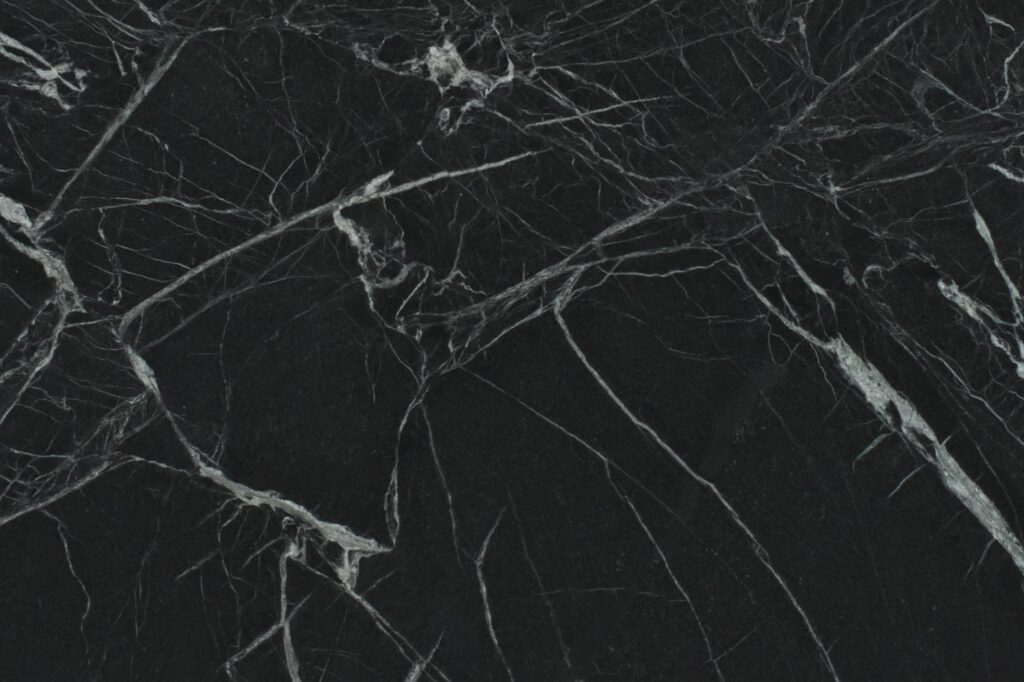
Soapstone is one of the lowest-maintenance countertop materials you can bring into a kitchen — and knowing why makes the day-to-day routine much easier to trust. Quarried from magnesium-rich talc, this metamorphic stone starts out pale gray and slowly deepens in tone through everyday handling. Left alone, it builds its own soft, natural patina over time. Treated with mineral oil, it darkens faster into a rich charcoal, near-black, or deep green finish, depending on the stone’s natural veining.
Either approach works, and neither is “wrong.” Soapstone is non-porous, stain-resistant, and unaffected by heat, acids, or common household chemicals, so it never needs sealing — a genuine advantage over granite or marble, both of which require regular resealing to stay protected. This guide covers everything homeowners, renovators, and design enthusiasts need to know about how to care for soapstone countertops, from the first wipe-down to years of upkeep.
What Do You Need Before You Start?
A short supply list and a little background knowledge are the difference between a countertop that ages beautifully and one that ends up streaked or dull. Anyone learning how to care for soapstone countertops benefits from understanding what the stone actually is before touching it with any product. Soapstone forms as a metamorphic rock, quarried from the earth and built from magnesium-rich talc — giving it kinship with marble in origin, though not at all in behavior.
That distinction is what makes maintenance so simple. Soapstone’s non-porous structure means it skips a step marble and granite owners can’t avoid: sealing. No sealant, no resealing schedule, no guesswork about when protection wears off. This one trait simplifies the entire care routine and removes a recurring cost from a kitchen renovation budget.
Is Soapstone Safe for Food Prep?
Yes. The FDA recognizes soapstone as a suitable surface for direct food contact, a status that reflects its inert, chemical-resistant nature. Homeowners can prep meals directly on the counter without worrying about bacteria or staining — issues that come standard with more porous stones.
What Will the Countertop Look Like at First?
Freshly quarried soapstone arrives light gray, not the deep charcoal tone many buyers picture from photos. Color deepens gradually through handling, oiling, and everyday use, so new owners shouldn’t expect a dramatic finish on day one — that look develops over time.
Before starting a maintenance routine, gather the essentials:
- A soft cloth for wiping and buffing
- Mineral oil, if a darker patina is the goal
- A realistic expectation of the stone’s light-gray starting shade
With these on hand — and the stone’s non-porous, food-safe nature understood — homeowners are ready to begin routine care.

How Do You Clean Soapstone Every Day?
Daily cleaning takes nothing more than warm water and a soft cloth. Spills wipe away without leaving marks, because soapstone’s non-porous surface fully resists staining from everyday accidents like wine, coffee, or oil. That single quality is a big part of why so many kitchen renovators choose it for busy households.
A simple daily routine for clean soapstone counters:
- Wipe the surface with a damp cloth after each use.
- Use dish soap or a household cleaner if a spill needs extra attention.
- Dry the counter with a clean towel to prevent water spotting.
- Repeat as needed throughout the day — no waiting period required.
No specialized product belongs on this list. Soapstone doesn’t need a dedicated cleaning solution for routine, long-term maintenance — unlike marble or granite, which often call for pH-balanced formulas. That simplicity saves homeowners both money and cabinet space.
Can You Use Regular Household Cleaners on Soapstone?
Yes. Because soapstone is inert, it resists damage from chemicals, acids, and heat, so common household products won’t harm the surface. Bleach, vinegar, and citrus-based cleaners all pose no threat.
Is There a Best Soapstone Cleaner to Buy?
Not really. Homeowners can reach for almost any household cleaner without risking surface damage, making soapstone one of the lowest-maintenance countertop materials on the market. A soft sponge and a few sprays of an all-purpose cleaner handle nearly every daily mess with confidence.
How Do You Apply Mineral Oil?
Mineral oil transforms soapstone from soft gray to a deep charcoal, sometimes nearly black, with just a few strokes of a cloth. Homeowners who want that richer, moodier look have a simple, low-cost path to it. Those who prefer the stone’s original pale gray have an equally simple option: skip this step entirely.
Understanding what mineral oil actually does helps set realistic expectations. It doesn’t seal or protect soapstone countertops the way a sealant protects granite. Instead, it speeds up a darkening process the stone would eventually go through on its own, through years of handling and exposure. Oiling soapstone countertops simply accelerates nature’s timeline — it’s a look, not a requirement.
What’s the Best Way to Apply the Oil?
Follow these steps for even, streak-free results:
- Clean the countertop with mild soap and water, then dry it completely.
- Pour a small amount of mineral oil onto a soft, lint-free cloth.
- Rub the oil into the stone using circular motions, covering the entire surface.
- Wipe away any excess oil so no pooling or tackiness remains.
- Let the surface sit undisturbed for several minutes before use.
A lighter-grade mineral oil spreads more smoothly than the thicker, standard drugstore variety, making application faster and less messy.
Is Oiling Soapstone Required?
No. Oiling is a purely cosmetic choice, not a maintenance requirement. Many homeowners leave their soapstone untreated altogether, letting the surface darken gradually and naturally through everyday use instead of periodic oil applications.
How Often Should You Reoil Soapstone?
A light mineral oil application every few months keeps soapstone counters looking their best. Homeowners who understand how to care for soapstone countertops treat oiling as a maintenance rhythm, not an emergency repair — a schedule that stays simple and forgiving compared to the sealing routines granite or marble require.
Build reoiling into a seasonal habit rather than a reaction to how the counter looks:
- Wipe the counter clean with mild soap and water, then dry it completely.
- Pour a small amount of food-grade mineral oil onto a soft cloth.
- Rub the oil evenly across the entire surface, including edges and seams.
- Let the oil absorb for several minutes, then buff away any excess with a dry cloth.
- Repeat this process every few months, or sooner if the stone starts looking dull or streaky.
Does Soapstone Need to Be Oiled to Stay Protected?
No. Soapstone resists stains and moisture without any oil at all, since the stone is naturally non-porous. Unlike granite and marble, it never needs sealing to keep liquids or bacteria from penetrating the surface. Oiling exists purely for looks, not protection.
What Does Oiling Actually Do to the Stone?
Mineral oil deepens soapstone’s color, pulling it toward a rich charcoal or near-black patina over time. This darkening speeds up the stone’s natural aging process rather than creating a new effect. Many homeowners skip oiling entirely and let the counter darken gradually on its own, arriving at the same eventual look through age instead of application.
How Do You Handle Common Soapstone Care Mistakes?
Most soapstone care mistakes come from treating the stone like granite or marble, when it behaves quite differently. A scuffed surface or a splash of wine sends many homeowners searching for the wrong products, or worrying over damage that isn’t really there. Knowing how to care for soapstone countertops means understanding what actually threatens the stone — and what doesn’t.
Denting, not chipping, is the real concern with soapstone. The material is durable like granite and marble, but under stress it tends to dent rather than crack or chip. Heavy impacts deserve the same caution you’d use with any natural stone surface, while hairline cracking is generally not something to lose sleep over.
Do Scratches and Stains Ruin Soapstone?
No. Scratches and stains aren’t something homeowners need to worry about with soapstone. The stone’s density resists staining from oils, wine, and acidic foods, and light surface scratches typically blend into the material’s natural patina over time. For deeper marks, light sanding followed by a fresh coat of mineral oil is usually all it takes when you need to repair soapstone scratches — a quick fix compared to the professional refinishing granite or marble scratches often require.
Is It Safe to Clean Soapstone With Regular Household Products?
Yes, and reaching for harsh chemicals out of caution isn’t necessary. Soapstone is inert and impervious to chemicals, acids, and heat, so no common household cleaner will harm it. The FDA also recognizes soapstone as a suitable surface for food contact, so kitchen counters and cutting surfaces carry no hidden safety risk.
Common mistakes to avoid:
- Scrubbing aggressively to remove stains that were never a real threat
- Avoiding acidic foods or cleaners near the counter unnecessarily
- Assuming a dent means the stone has failed structurally
- Skipping food-prep tasks directly on the surface out of unfounded safety concerns
Soapstone countertop maintenance really does come down to a soft cloth, occasional oil, and a little patience — far less fuss than most homeowners expect from a natural stone surface.
For more countertop care, maintenance, and material-specific guidance, explore our Service-Specific Advice.
Ready for a Soapstone Countertop of Your Own?
Whether you’re maintaining an existing soapstone surface or considering one for your next kitchen or bathroom project, the Granite Depot team can help. From selecting the right slab to precise template, fabrication, and installation, we handle every step with the same care this guide recommends for long-term upkeep. Request a free estimate or stop by one of our showrooms to see soapstone in person and talk through what fits your space best.
Frequently Asked Questions
How often should I oil my soapstone countertop?
Every few months is typical, though it depends entirely on the look you want. Soapstone doesn’t need oil to stay protected — it’s already non-porous and stain-resistant — so reoiling is purely about maintaining a darker, richer patina rather than following a strict schedule.
Can soapstone countertops be repaired if they get scratched or dented?
Yes. Light scratches typically blend into the stone’s natural patina over time, and deeper scratches can usually be smoothed out with fine sandpaper followed by a fresh coat of mineral oil. Dents are the more realistic concern with soapstone, so heavy impacts are worth avoiding, but everyday scuffs are rarely a lasting issue.
Is soapstone a good choice for a busy kitchen?
Yes. Its non-porous, heat- and chemical-resistant surface makes it well suited to households that cook often and don’t want to babysit their countertops. There’s no sealing schedule to track and no special cleaner to buy, which is a real advantage for homeowners who want low-maintenance durability.
Do I need to seal soapstone countertops like granite or marble?
No. Soapstone is naturally non-porous, so it never requires sealing — a key difference from granite and marble, which need periodic resealing to stay stain-resistant. This is one of the biggest reasons homeowners choose soapstone for long-term, low-upkeep surfaces.
What’s the difference between oiled and unoiled soapstone?
Oiled soapstone develops a deeper charcoal, near-black, or green patina more quickly, while unoiled soapstone stays lighter gray and darkens gradually through natural handling over the years. Both are equally durable and food-safe — the choice is purely aesthetic.
Conclusion and Final Thoughts
Soapstone countertops reward simple, consistent care with lasting beauty and durability. Daily cleaning takes nothing more than warm water and a soft cloth, mineral oil is entirely optional, and the stone’s non-porous nature means sealing is never part of the equation. Whether you let your soapstone age naturally into a soft gray patina or deepen it into a rich charcoal with regular oiling, the maintenance stays refreshingly low-effort compared to granite or marble. With a little routine attention, a soapstone countertop can remain a functional, elegant centerpiece in your kitchen or bathroom for years to come.